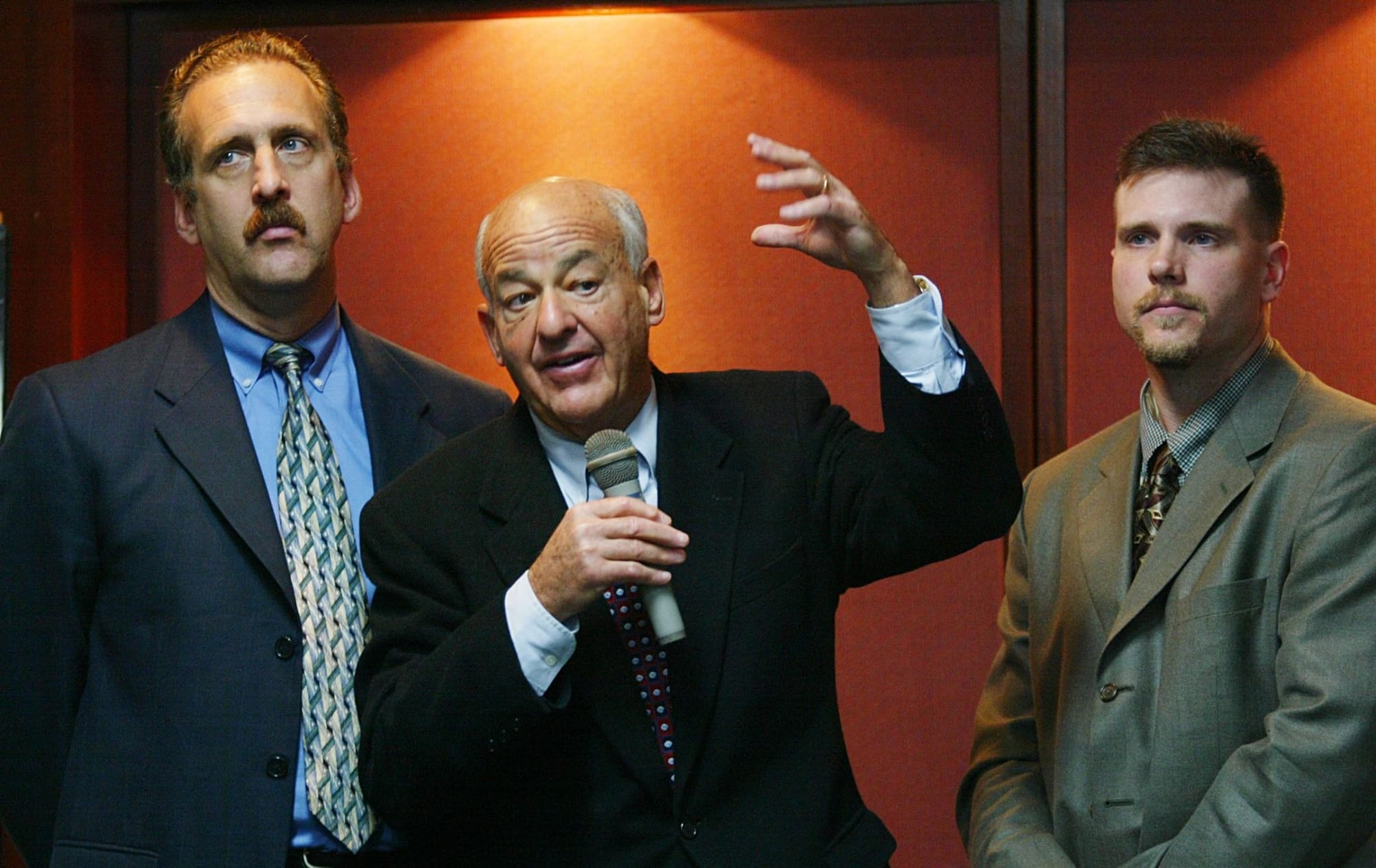
U.S. coroner Cyril Wecht (center) in Taipei in 2004 | REUTERS/Simon Kwong SK/TW, edited by Candida Hall
This is the Tangle Sunday Edition, a brief roundup of our independent politics coverage plus some extra features for your Sunday morning reading.
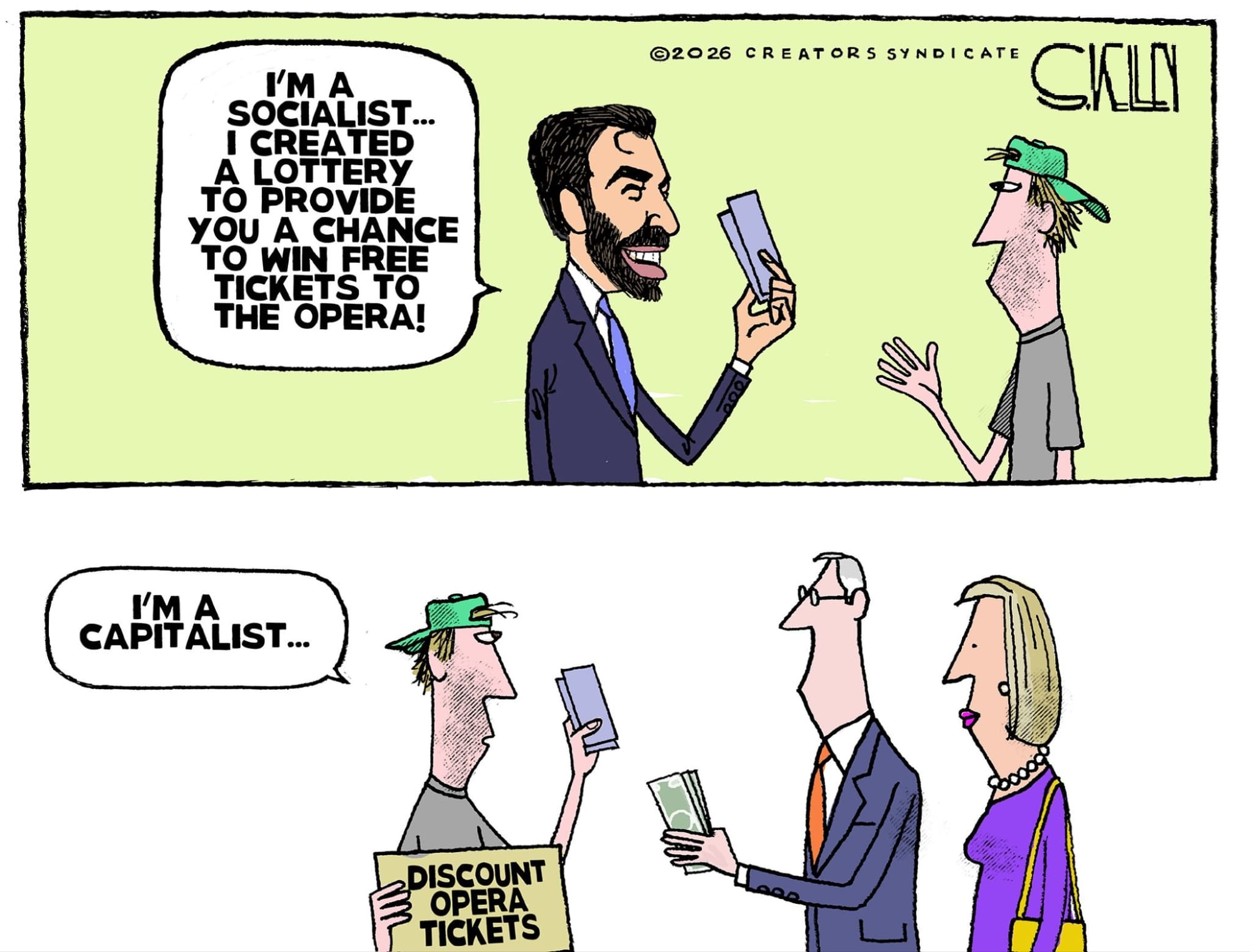
What the right is doodling.
Steve Kelley | Creators Syndicate
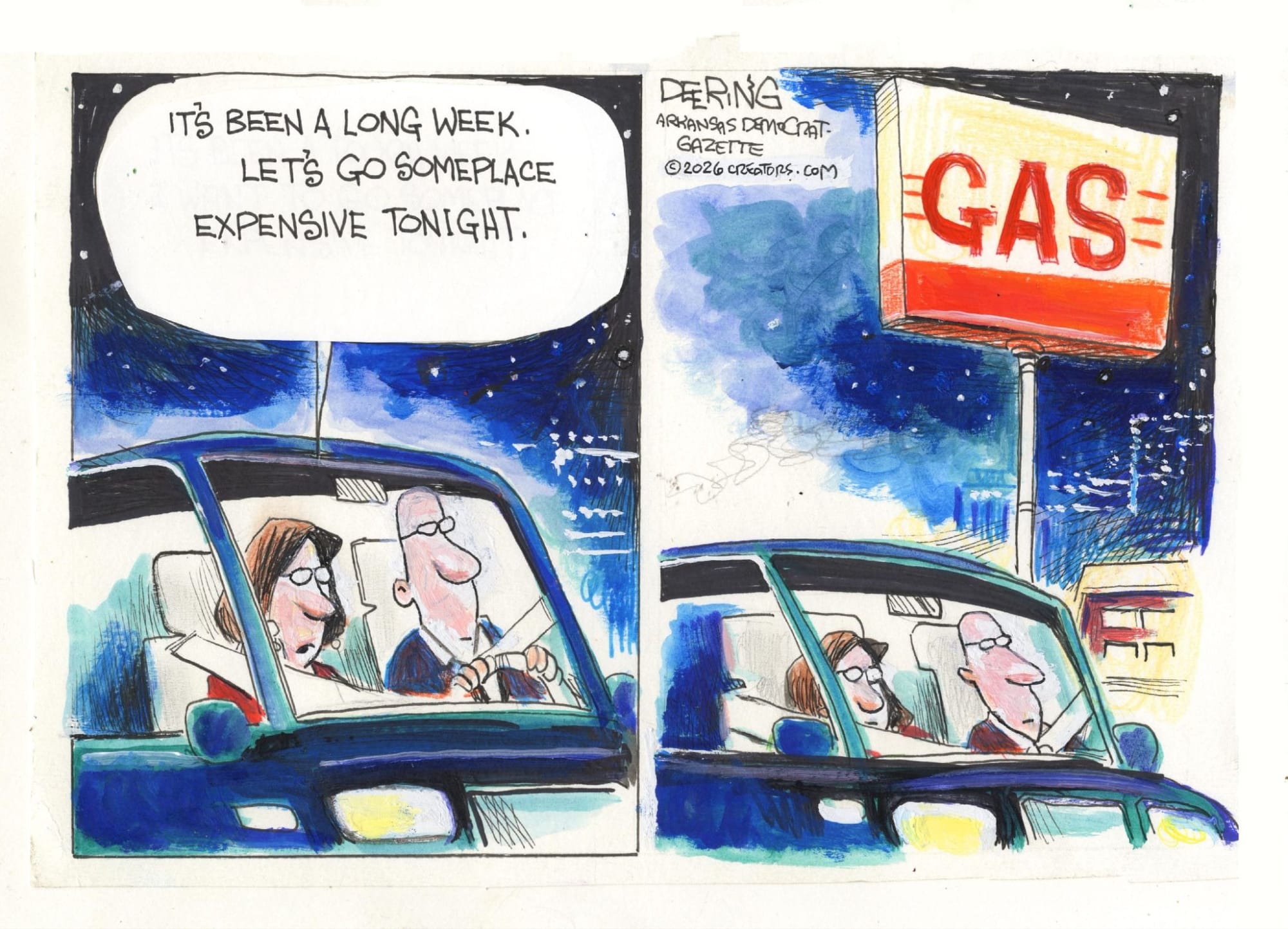
What the left is doodling.
John Deering | Creators Syndicate
Suspension of the Rules.
In this week’s Suspension of the Rules episode, we start by having some fun with Jack Smith’s congressional testimony. Then, we discuss the government-funded Trump commercials before turning to a much more serious subject: the Cornell sexual assault case. It was a heavy but important segment, and we wrapped up with some gratitude (instead of our usual grievances) to lighten the mood. You can watch below:
The latest episode of Suspension of the Rules
Monday, September 28.
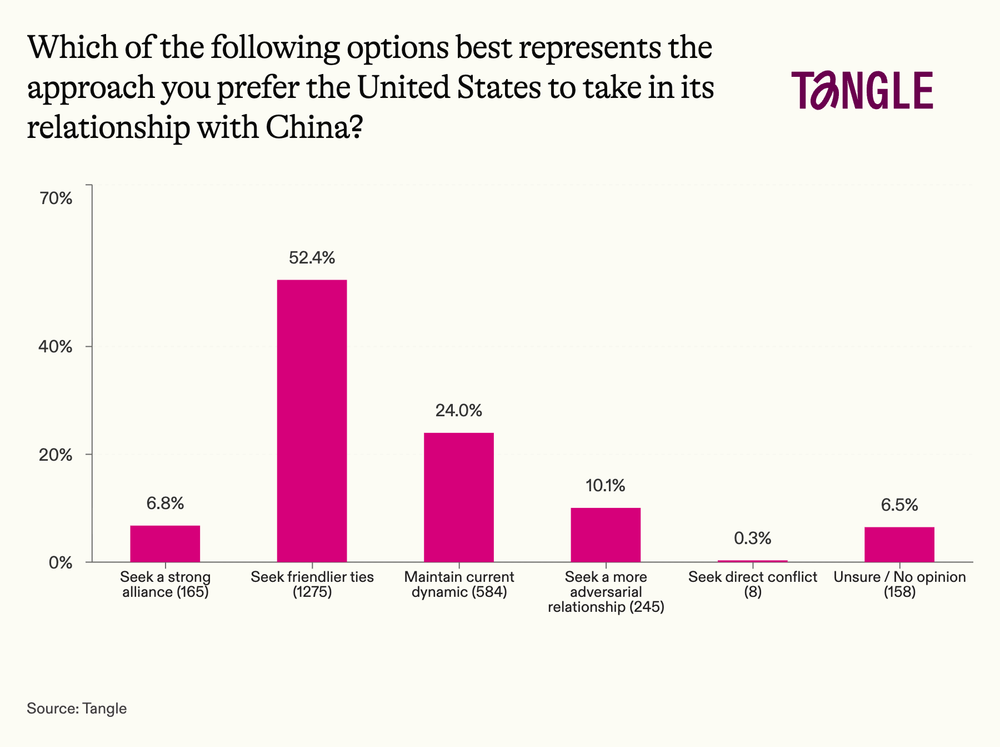
The UN General Assembly and the Trump–Xi summit. In September, world leaders gathered in New York City for the 81st United Nations (UN) General Assembly, with conflicts in Iran and Ukraine taking center stage. In a speech before world leaders, President Donald Trump said he is weighing whether to seek a deal to end the war with Iran or “annihilate” the country, while also touting a security agreement reached with Greenland and Denmark. Later that week, President Trump hosted Chinese President Xi Jinping for a state visit, during which the leaders discussed trade disputes and AI development.
Our take: “The UN assembly reminded me just how tense the state of global affairs is. Zooming out, the entire Trump–Xi summit is a disorienting episode. I’m inclined to view these events more as theater than anything else, but sometimes a few hours of in-person, private communication between world leaders really can change the shape of history.”
Reader Survey:
Tuesday, September 29.
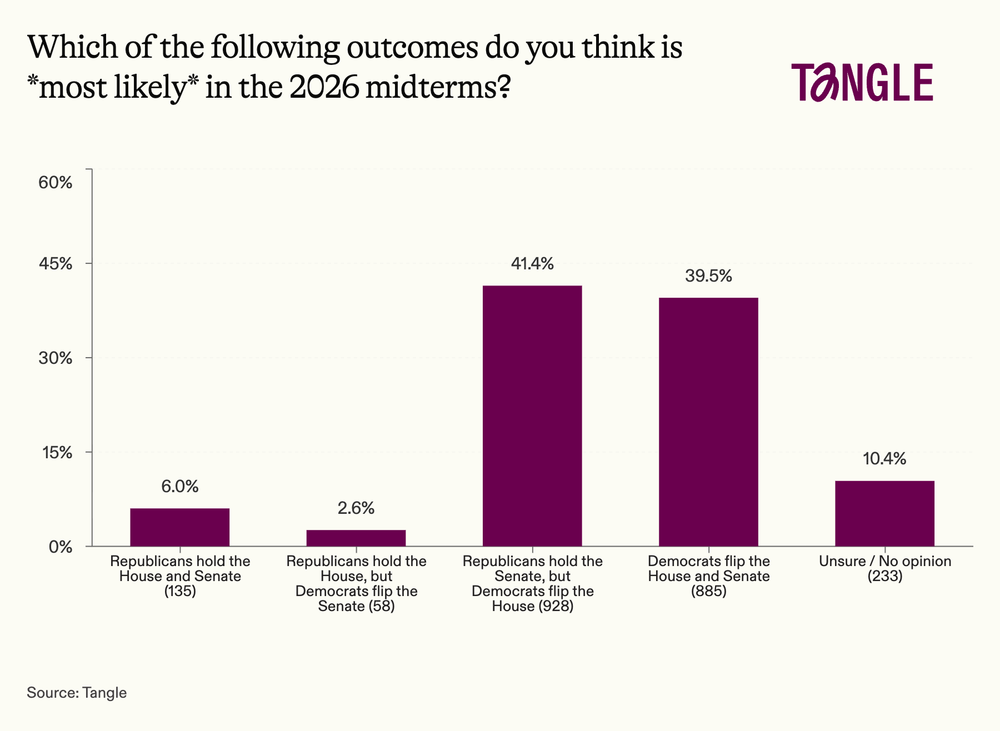
The 2026 midterm elections. Tuesday, September 29, marked 35 days until federal elections will be held for all 435 U.S. House seats and 35 of the 100 U.S. Senate seats. Additionally, 36 states will elect governors and 46 states will vote on a total of 6,139 state legislators. Most election models currently favor Democrats to take back the House and give the party a slight edge to flip the Senate.
Our take: “One way to look at the midterms is that Republicans are cruising for disaster, especially without Trump on the ballot to energize his base. However, Democrats could easily underperform polls in the same way Republicans did in 2022. I’m going to resist a prediction for now, since a lot can change in a month.”
Reader Survey:
Wednesday, September 30.
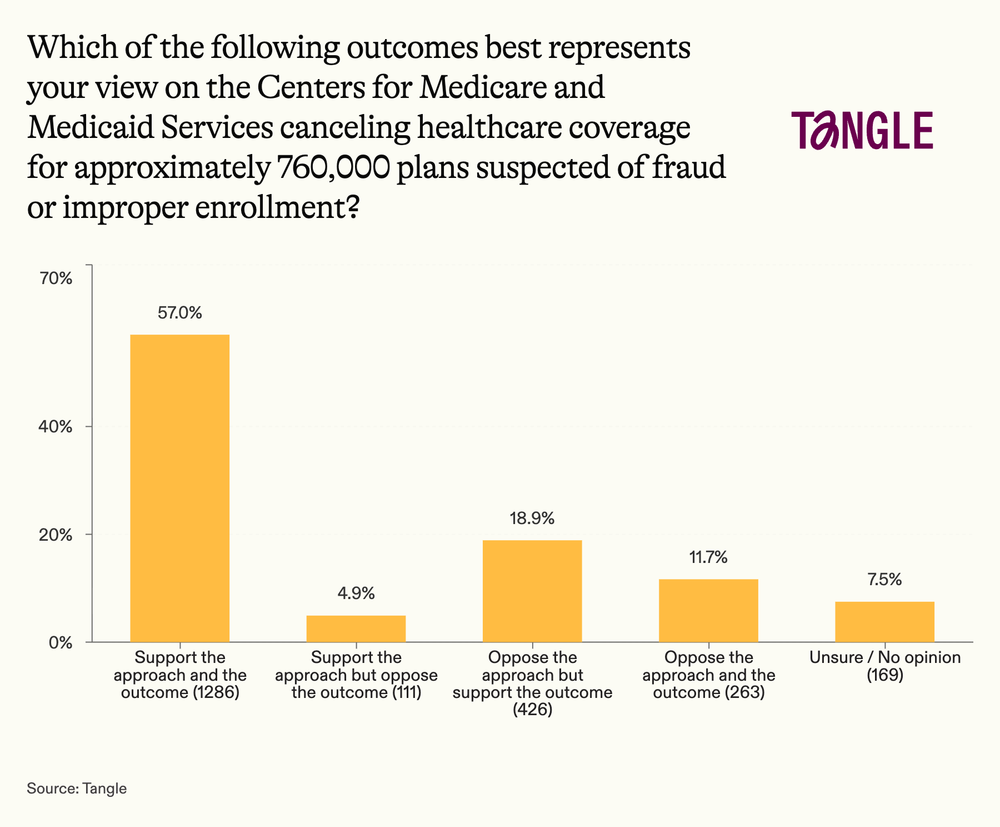
The ACA cancelations. Last Tuesday, September 22, the Centers for Medicare and Medicaid Services (CMS) said it had canceled healthcare enrollments for roughly 760,000 people under the Affordable Care Act (ACA) due to alleged fraud or improper documentation. In a press briefing announcing the cancelations, Vice President JD Vance and CMS Administrator Mehmet Oz said that Covid-era subsidies and relaxed verification under President Joe Biden led to rampant abuse of the federally regulated ACA marketplace. The vice president’s White House Task Force to Eliminate Fraud estimates the enforcement action will save $2.2 billion in taxpayer-funded subsidies.
Our take: “Defrauding insurers on the federal marketplace is a protracted problem that predates Trump. CMS’s actions here are justified, and I think the methods they used were reasonable. I harbor reservations about Vance’s broader anti-fraud initiative and the administration’s track record, but this effort looks like a win.”
Reader Survey:
Thursday, October 1.
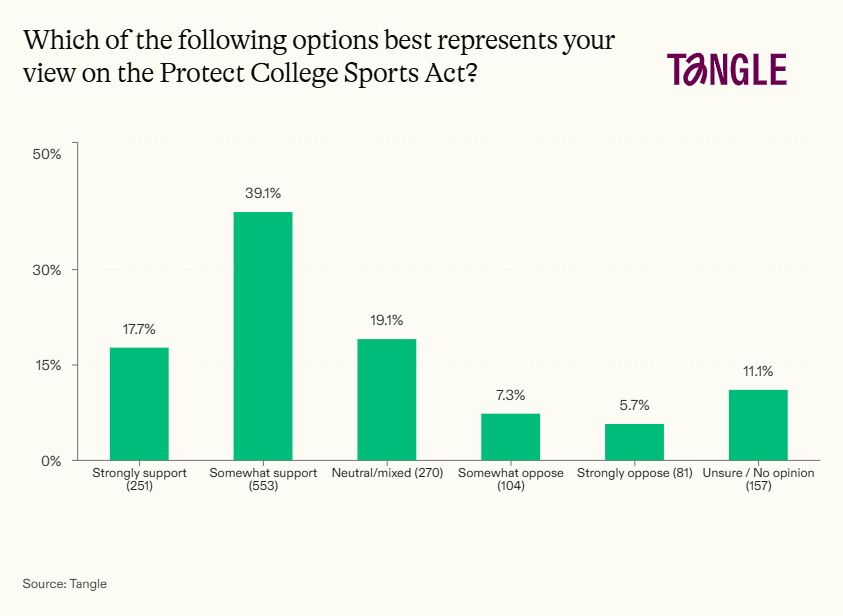
The Protect College Sports Act. On Monday, September 28, the Senate voted 77–22 to pass the Protect College Sports Act with support from 50 Republicans, 26 Democrats, and one independent. The bill would create a national regulatory framework for collegiate athletics and give the National Collegiate Athletic Association (NCAA) antitrust protection, allowing it to establish standards for student-athlete compensation, eligibility, transferring, and other activities. The House is expected to take up the bill after the November midterms.
Our take: “Most college sports don’t have huge issues, but the biggest money-makers have descended into complete disorder. The new status quo risks eroding what makes college sports appealing. This bill is imperfect, but it gets the important stuff right.”
Reader Survey:
Friday, October 2.
In this week’s members-only Friday edition, Editor Audrey Moorehead takes stock of the fertility decline around the world — and tries to determine whether the decline is a global crisis. You can read her piece here.
What just happened.
Here’s a rundown of the major stories that have broken since our newsletter on Thursday.
On Thursday, the family of Renee Good filed civil lawsuits against the federal government, Trump administration officials and federal agents, alleging wrongful death and civil rights violations. Good was shot and killed by an Immigration and Customs Enforcement officer in Minneapolis, Minnesota, in January. (The suits)
On Thursday, Freddie Mac reported that the weekly average 30-year fixed mortgage rate was 7.28%, the highest level in approximately three years. (The rate)
On Thursday, the U.S. military said it is deploying a third aircraft carrier and 9,000 additional troops to the Middle East following President Trump’s remarks that he is weighing new strikes against Iran. (The deployment)
On Thursday, the Treasury Department proposed a rule outlining provisions of a nationwide school choice program. (The proposal)
On Thursday, the Supreme Court agreed to hear a case on whether immigrants designated for deportation can be detained indefinitely while their cases play out. (The case)
On Thursday, New York Gov. Kathy Hochul (D) appointed state Attorney General Letitia James (D) as a special prosecutor to investigate allegations of rape at a Cornell University fraternity house in 2024. “If warranted, [James will] prosecute any offenses arising from that investigation and present evidence to a grand jury,” Hochul said. (The appointment)
On Friday, the Bureau of Labor Statistics reported that nonfarm payrolls increased 29,000 in September, and the unemployment rate slightly increased to 4.2%. The August and July nonfarm jobs totals were both revised lower. (The report)
Reader essay.
U.S. coroner Cyril Wecht (center) in Taipei in 2004 | REUTERS/Simon Kwong SK/TW
Corrosive counter-cultural claims on casting votes, or correct concern with career coroners? Tangle reader Stout Cortez recalls the life and times of Allegheny County Coroner Cyril Wecht and puts forward a bold claim: Some things on the November ballot shouldn’t be up to the voters to decide.
This post is for paying subscribers only
Sign up now and upgrade your account to read the post and get access to the full library of posts for paying subscribers only.