Note: You are reading a preview of a members-only Friday edition. To read it in full, subscribe here.
One of my favorite social experiments ever starts with a simple premise:
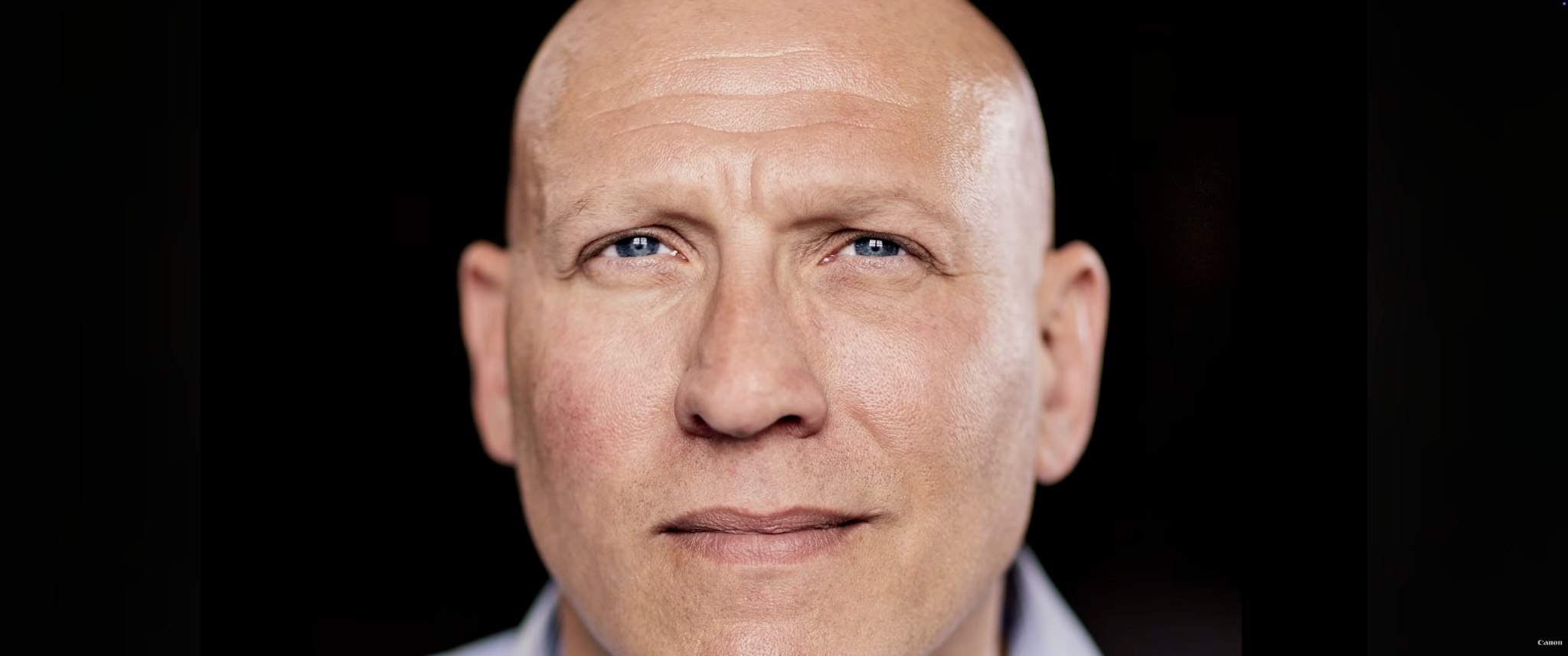
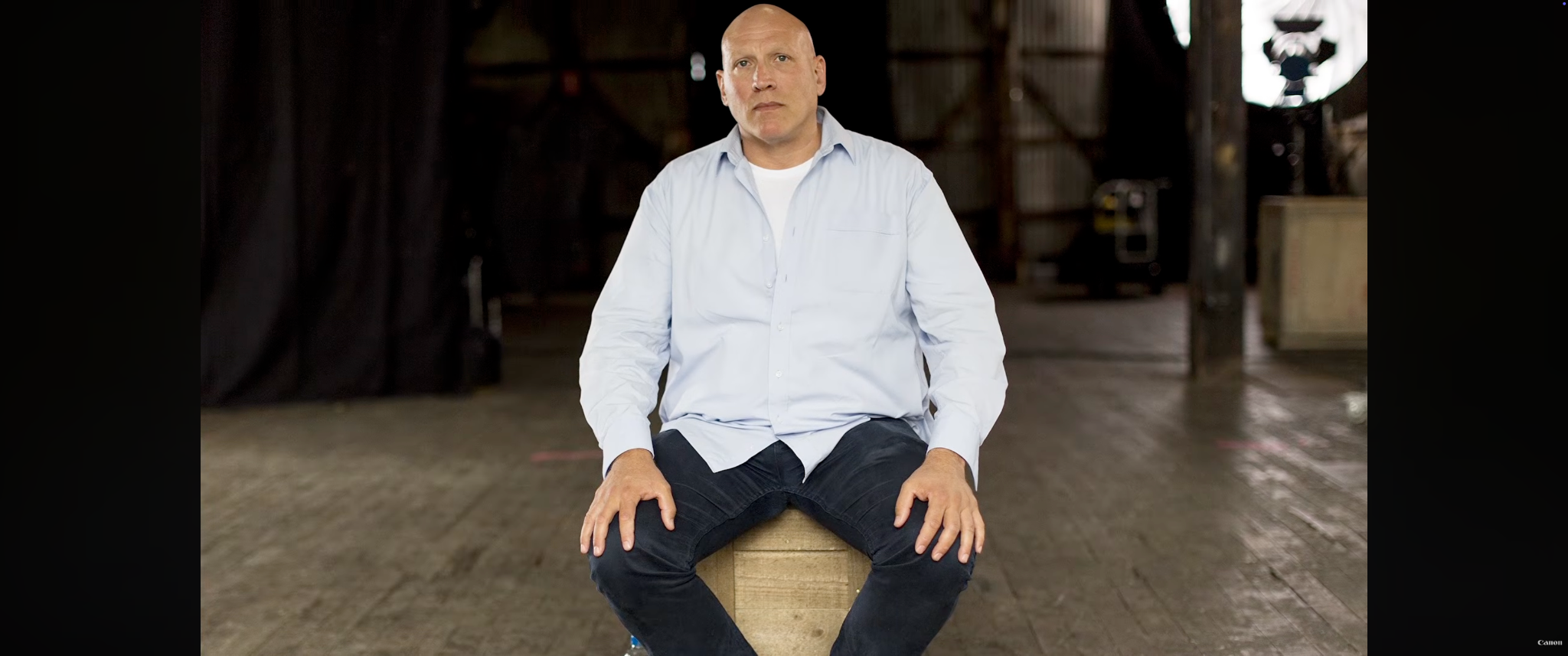
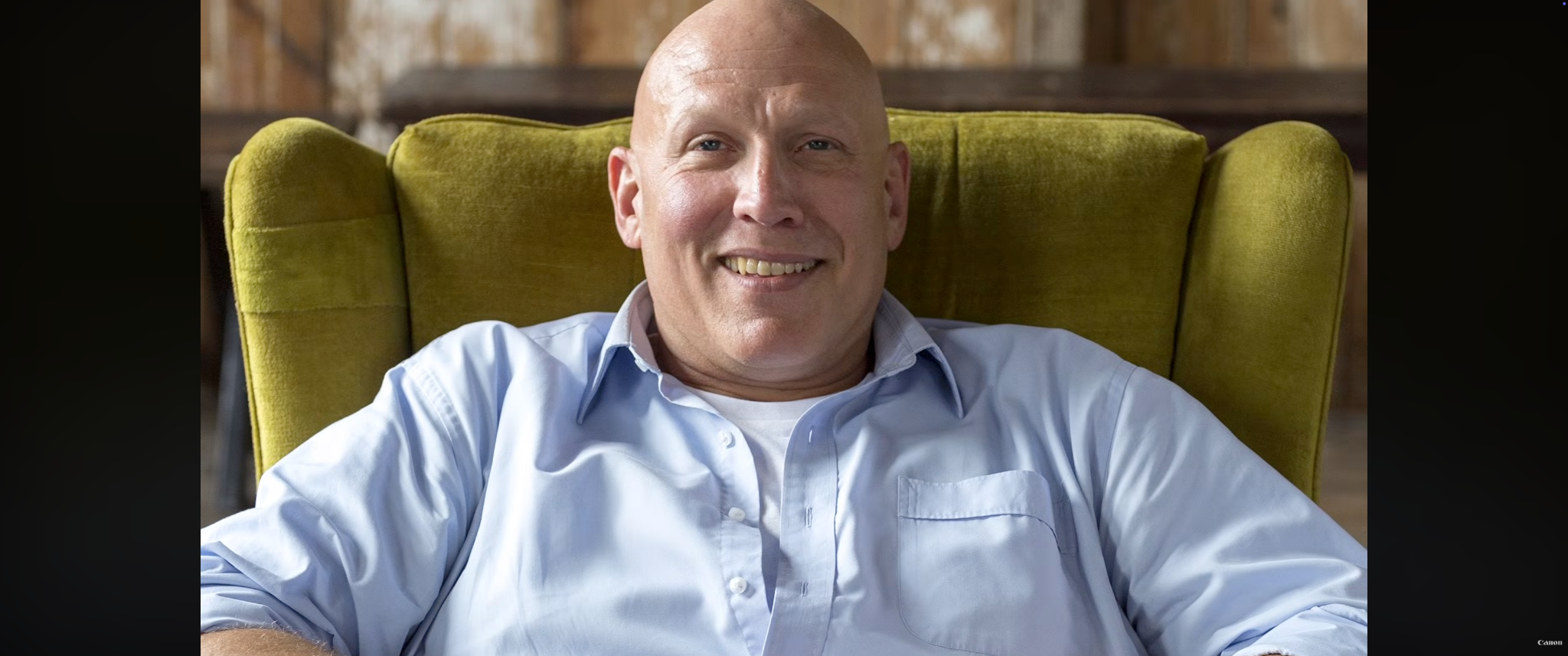
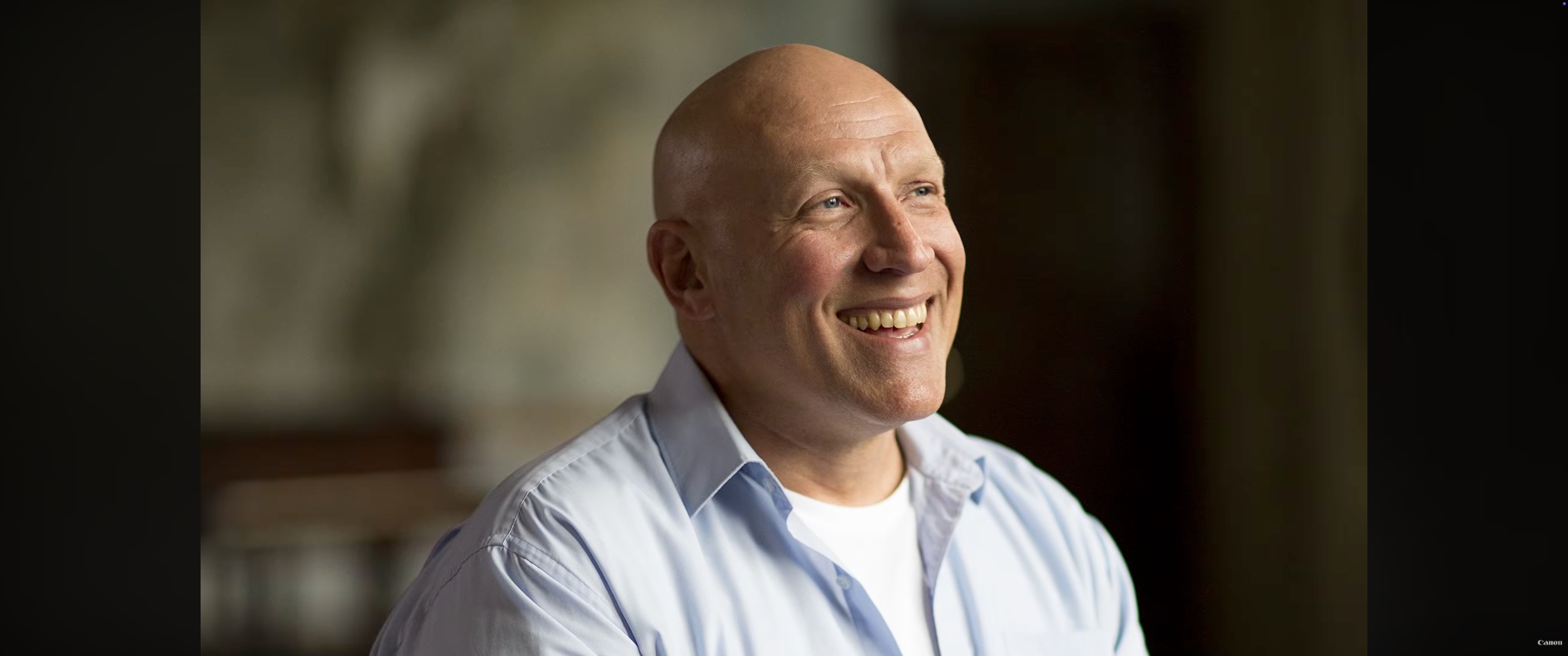
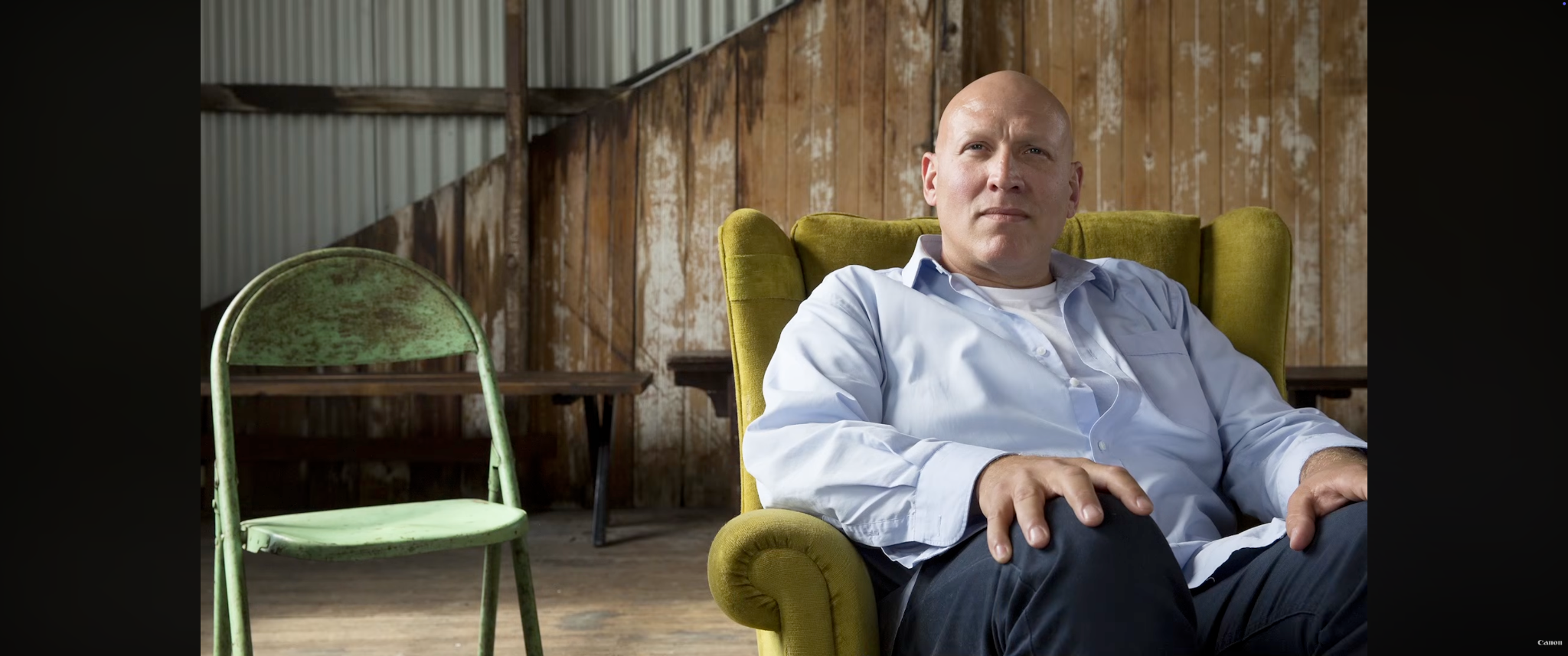
Six photographers are asked to take photos of one person.
Each photographer is told something different about who the man is: One is told he’s a self-made millionaire, another that he saved someone’s life, another that he’s an ex-inmate, then a commercial fisherman, a psychic, and a former alcoholic.
Then all the photographers are tasked with capturing the man’s essence. It’s one man — the same actor, in the same outfit, in the same studio with all the same props and background. Yet each individual photograph is wildly different.
Here were the results:
The self-made millionaireThe alcoholicThe fishermanThe life-saverThe former inmateThe psychic
The experiment was part of a mega-viral Canon YouTube video from 2015. It was basically an advertisement for their camera, and the point was that the people behind the camera matter just as much as — or more than — the subjects they photograph. I think the point was well made.
We see what we want to see (or what we’re told to see).
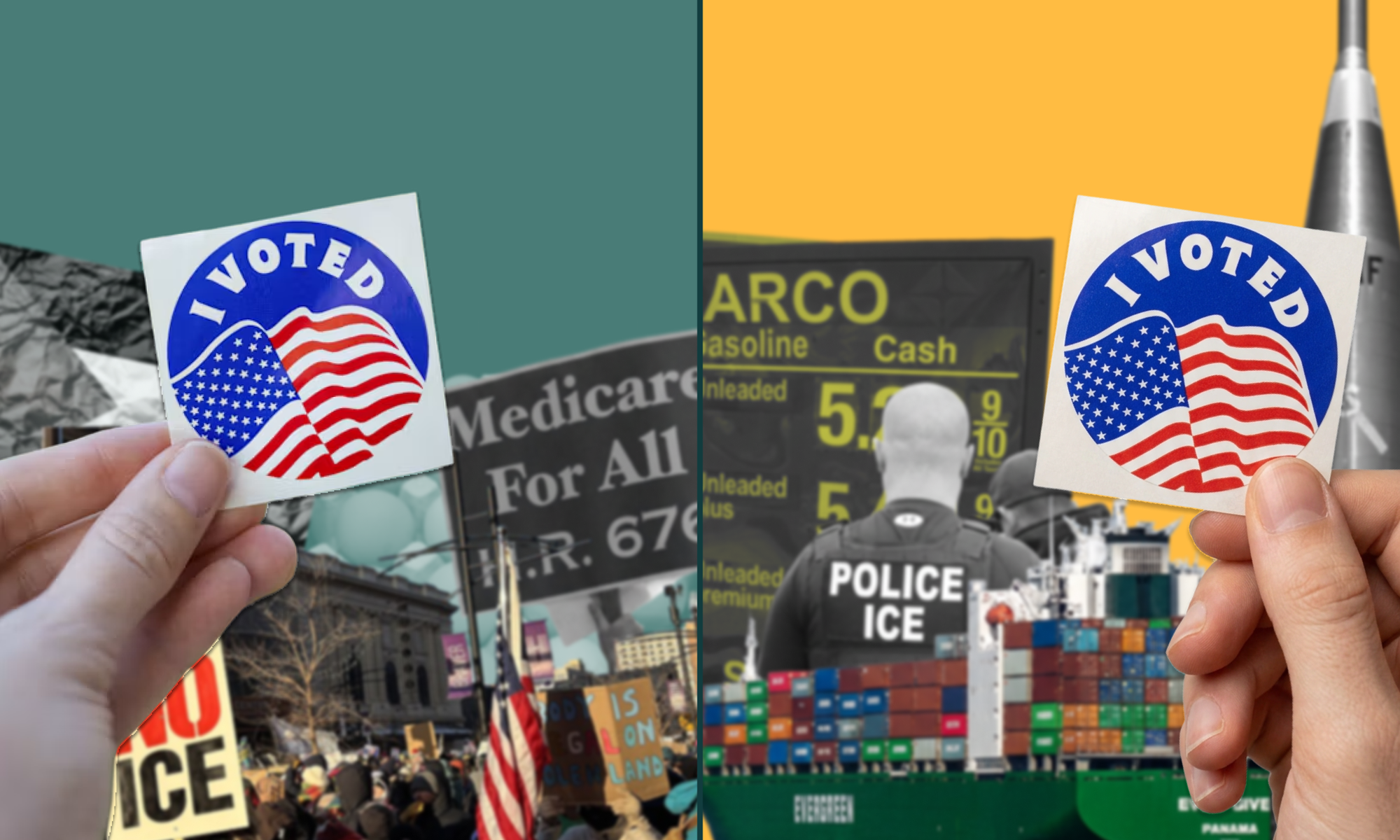
One of the great challenges of politics is trying to understand the country’s direction after a big election. Typically, that means deciphering voters — both as a monolith (“what do Americans want?”) and as blocs (“why are Hispanics breaking left?”). After the 2026 midterms, a lot of people are seeing what they want to see in the results. They start with their biases, pull in polling data, and build a theory that supports their priors. Some surely do this intentionally (in hopes of achieving a preferred political outcome), while others seem to do it subconsciously. Each narrative is as easy to tear down as it is to construct.
Take Vice President JD Vance, who has often espoused “America first” isolationism and never wanted to have to defend Trump’s war in Iran. He sees the Iran war as a core reason Republicans experienced an electoral wipeout. In his telling, Republicans and independents broke against Republican candidates because Trump broke a key campaign promise. Rather than keeping us out of foreign wars, the president gave us a big, new one — a fresh quagmire in the Middle East — creating direct downstream effects on the price of gas and consumer goods.
SSRS conducted the largest exit polls of the 2026 midterms, with about 80,000 voters polled. 74% said the Iran war was a crucial or major factor in their vote. At the same time, 87% of respondents said they were very (59%) or somewhat (28%) concerned about the cost of gasoline and diesel.
Case closed, right?
Well, not so fast.
Continue reading this story for just $1.13/week
Get instant access to this story and every premium article — while supporting independent journalism.