




By Reeve Johnson
“Nowadays most people die of a sort of creeping common sense, and discover when it is too late that the only things one never regrets are one’s mistakes.” – Oscar Wilde, The Picture of Dorian Gray
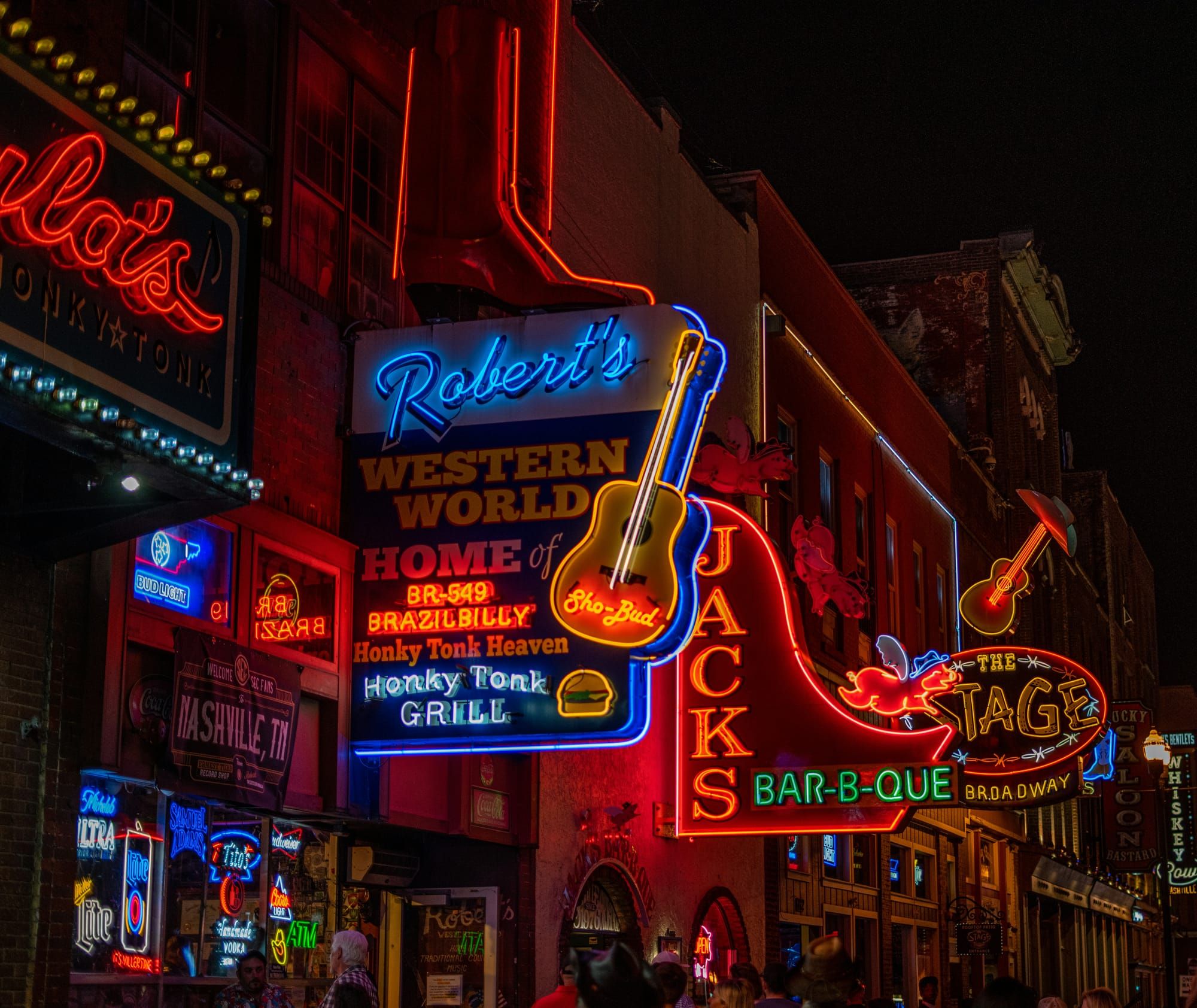
Many people assume that musicians, or anyone with artistic talent, are born with some inherent ability. Or, they think that we can never make mistakes. Even worse, they think that we shouldn’t make mistakes. People’s ears perk up when I tell them that I am a musician — to them, it sounds glorious, unusual, exotic, and certainly more exciting than their 9-to-5. Naturally, many musicians cater to this and play into it: Yes, they think, they must be right! There must be something special in me that caused me to choose this path! And it’s true — any kind of talent is worth celebrating. But I have noticed lately that in the age of social media and AI, we are playing into that idea more than ever, and to our detriment. We are becoming allergic to making mistakes. We are getting far too used to having a pathway laid out for us instead of having to forge our own way forward. There are already numerous examples of Nashville songwriters and producers using AI for their demos. Gone are the days of banging your head against a wall because you can’t finish a lyric. You can just have a computer finish it for you.
Most people know the song “Lady Marmalade.” It’s originally by LaBelle, and was covered for the movie “Moulin Rouge.” On the day that they began recording, the musicians assembled in the studio that day to play the song, and they couldn't figure out a way to make it feel good. It wasn’t clicking. The magic came when the drummer on the session began playing a New Orleans-influenced groove. The feeling of the song completely changed, and suddenly the room lit up and they knew they had something special.
Or, take the Billy Joel song “Only the Good Die Young.” The story goes that he wrote it as a reggae song. After trying (and failing) to get the song to work in the studio, Joel’s longtime drummer Liberty DeVito, out of frustration, changed the feel of the song to be faster, and he played a rockabilly style drum pattern. The song completely clicked after that.
One of my favorite recordings in music history is in Earth, Wind and Fire’s “September.” At about 14 seconds in, the bass guitar flubs. It’s not hard to hear — it’s a clear mistake. And if you listen to the first few seconds of the song and the last few seconds, you'll find that they’ve sped up over the course of the song by about 10-15 beats per minute, a no-no in music circles (you usually want the tempo to stay consistent). At about 3:08, the lead trumpet also completely flubs a note. These mistakes make the song more human. They make the song great. Contrast that with some of the Suno-generated demos coming out of Nashville at the moment, and you'll hear a big difference, at least in the humanity of the recording.
I could go on and on: when Sting recorded the vocal on “Roxanne,” he moved to sit on a piano, accidentally pressed some of the keys, and laughed — and you can hear it in the background at the beginning of the song. Right before the last chorus of “Like a Rolling Stone,” the band plays an extra count before Bob Dylan starts singing. These mistakes don’t take away from the recording; they add to its character. We know for certain that these are human beings. It makes them relatable.
Last week, I played a jazz gig for the first time in many years. Despite having a background in jazz piano, I spent time away from it after I moved to Nashville, instead opting to play country music. I got the call for the gig at the last minute and drove to Alabama the next day. I had no time to prepare any of the music, and no idea what songs we would even play. I made it through the first set, relieved, only for the bass player to approach me afterward and inform me that I had missed the entire bridge of one of the songs. Embarrassed, I apologized and I promised it wouldn't happen again. I know I didn’t play as well as I would’ve hoped. And yet, suddenly, I felt liberated. I was more inspired than I had been in a long time because I was making mistakes — the music I was playing was challenging me. It showed my weaknesses and made me realize I could play better. Mistakes are a sign of growth. To fail is to learn and get better.
But enter AI: with the advent of Suno (a music-generation-focused AI), I can generate any music I want at the click of a few buttons. There are already reports out there about how Suno has already been used in Nashville. One established musician friend of mine here in Nashville told me they felt like they were in a “Suno cover band” whenever they played on a recording session — one time, an artist came into the studio with a Suno AI demo and simply asked him and other musicians to recreate it live. They weren’t writing parts of their own anymore, but instead were playing the ones that AI had made for them. Some look at this phenomenon and see efficiency. Others may see it as the beginning of the end of creativity. All I see is fear of failure: Artists and labels who have been destabilized by an ever changing industry landscape who now are trying anything to create stability in their business. Risk is not rewarded. From their perspective, it is more viable to test ideas with a $20/month AI subscription than in a studio that costs thousands of dollars. I understand that, but everywhere I look, I see artists, labels, and executives insecure and afraid to make a mistake — when that’s the very thing that helps us grow as people and artists. It doesn't take a vast knowledge of art or music history to see this.
Social media has an impact here, too. My own algorithm confronts me with musicians who can play better than me every time I open my phone. So no wonder people might be feeling more insecure about their abilities. We never see the hours of practice those musicians put in to make that 30-second reel, so we forget even the best must also fail to get better. We never see the big swings that ended up giving someone the courage to stake out their own path. I was glad to have messed up. It motivated me. It gave me an idea of what I needed to work on. We need to be okay with making mistakes; with bringing back failure to an industry that is hell bent on perfection and safety. Because we won’t grow if we don’t make mistakes. We won’t become better people. We’ll only become more isolated and insecure. We will eventually find that we live small lives, lives that aren’t rewarding.
To truly live is to truly make mistakes. We are forgetting how to be bad at something when we first start out. We are forgetting that we need to fail to grow. That we need to make mistakes, own them, and move on. Our social media feeds have given us the ability to watch highlight reels of people doing what we want to do; but all context is eliminated. We don’t see the work that the person did to achieve that skill or to take that vacation; we only see the end result, and we think that we need to attain that same thing with none of the failure or work.
Reeve Johnson is a pianist and singer residing in Nashville, Tennessee. He is currently on tour with country artist Joe Nichols, and has recorded for KC Bruner, Jed Harrelson, Calista Kweon, and BEACHMONT.

Member comments