This is the Tangle Sunday Edition, a brief roundup of our independent politics coverage plus some extra features for your Sunday morning reading.
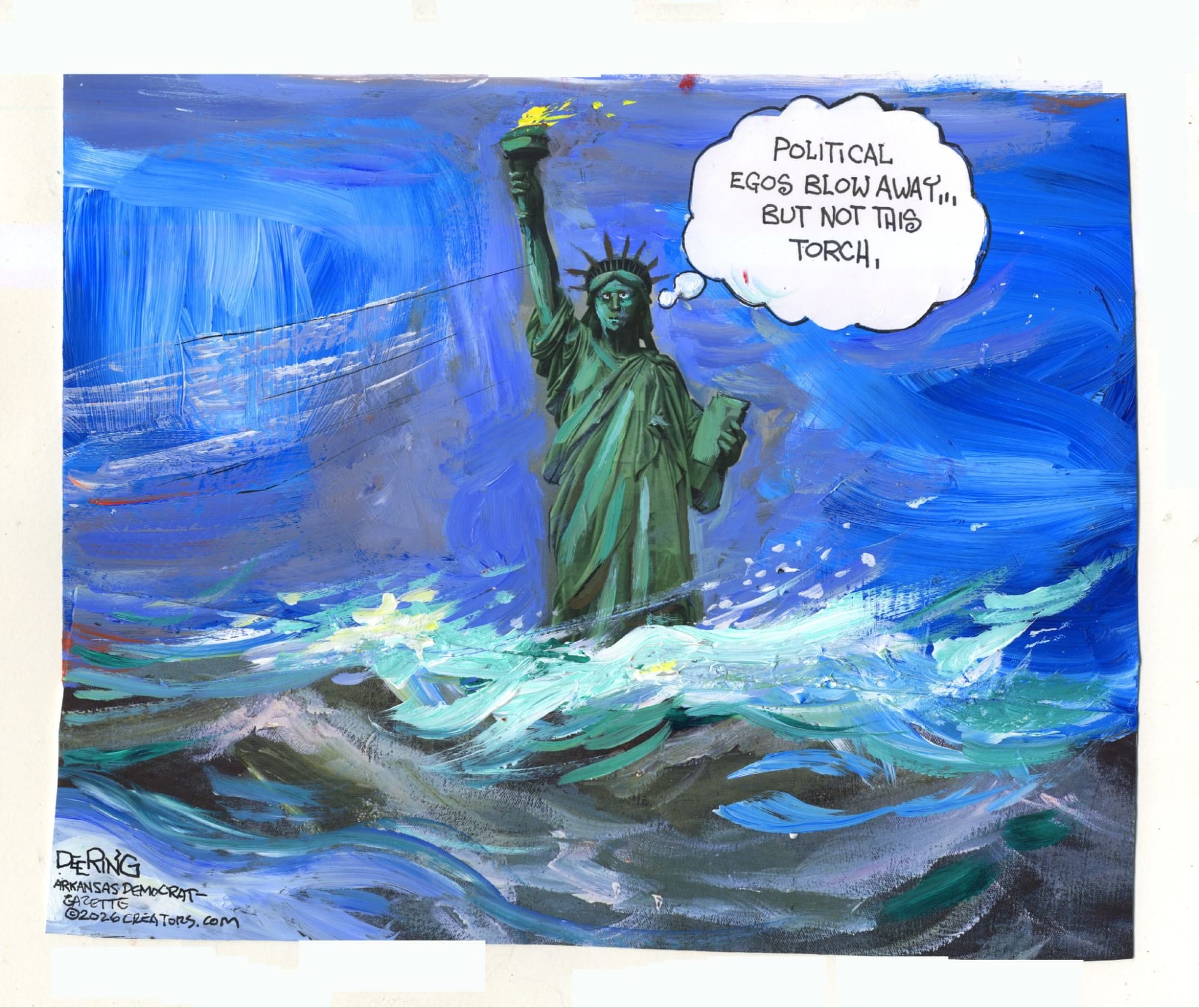
What the left is doodling.
John Deering | Creators Syndicate
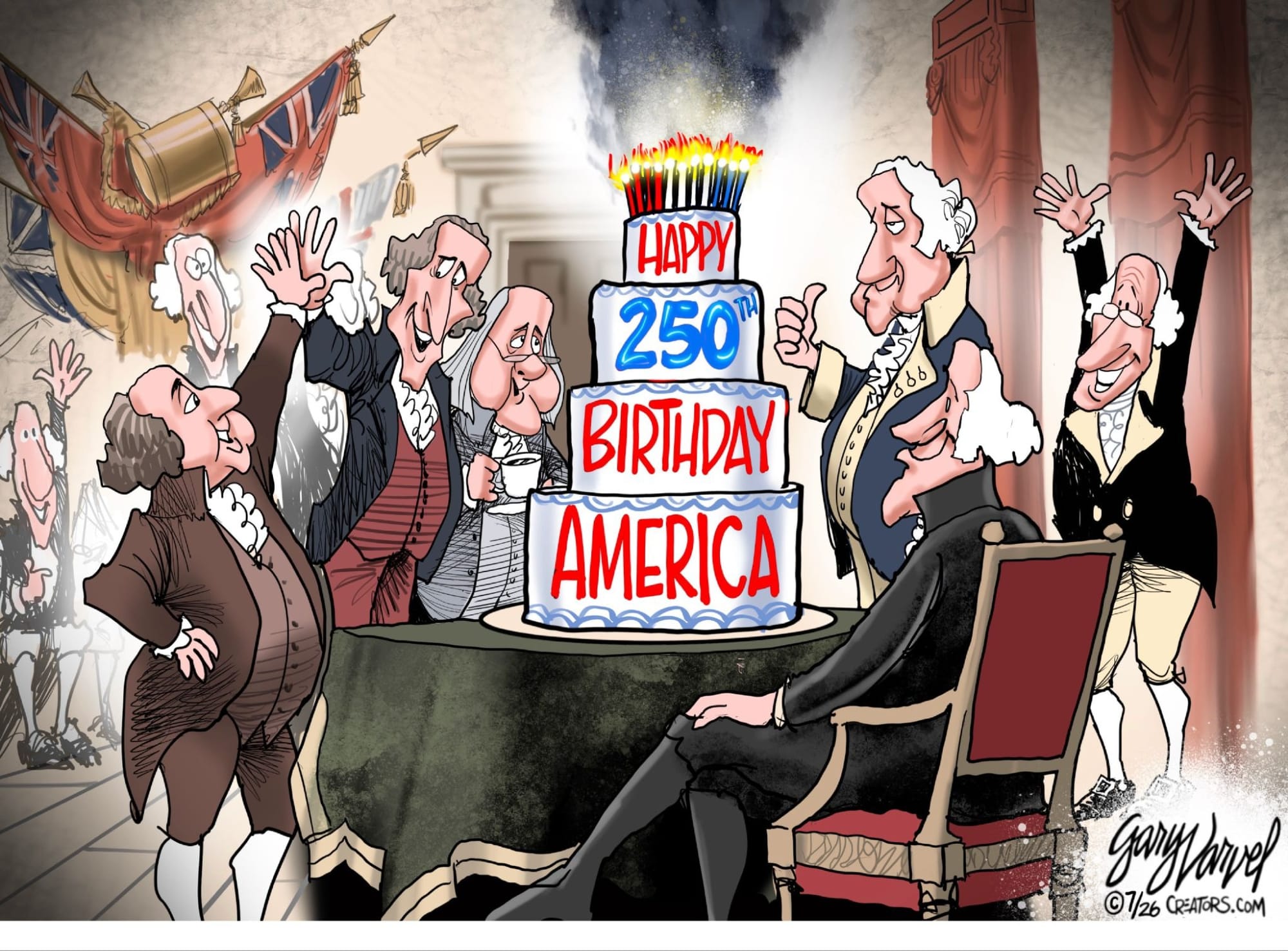
What the right is doodling.
Gary Varvel | Creators Syndicate
Suspension of the Rules.
This week, Kmele and Isaac sat down with Sarah Isgur — the attorney, political commentator, author and Supreme Court expert — to talk about the latest Supreme Court term and the long-term implications of its recent decisions. You can watch the episode here:
The latest Suspension of the Rules
Monday, June 29.
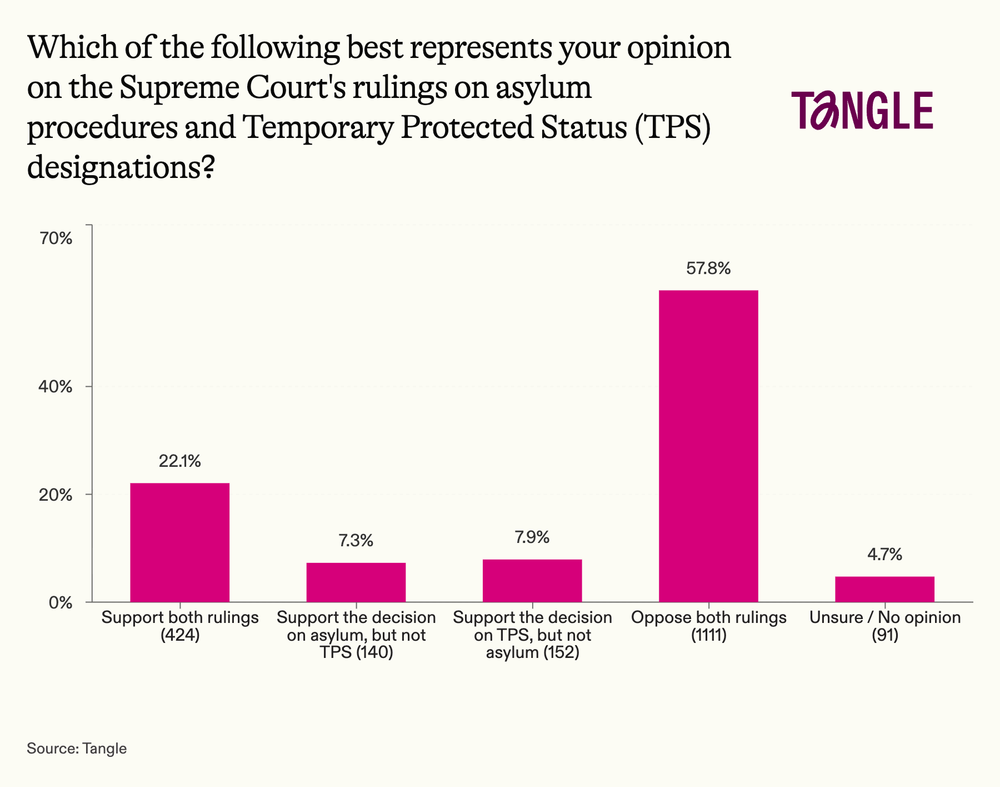
Two Supreme Court rulings on immigration. On Thursday, June 25, the Supreme Court issued two decisions on U.S. immigration policy. In the first case, Mullin v. Al Otro Lado, the Court ruled 6–3 that the federal government can turn back asylum seekers before they cross into the United States. In the second, Mullin v. Doe, the Court also ruled 6–3 that courts cannot review Department of Homeland Security (DHS) determinations on groups’ eligibility for Temporary Protected Status (TPS), clearing the way for the Trump administration to remove Haitian and Syrian TPS holders from the U.S.
Our take: “The majority has a strong legal argument on asylum. The Court’s TPS ruling is reasonable but raises practical concerns. Without congressional intervention, I worry the rulings will create more chaos in the immigration system.”
Reader Survey:
Tuesday, June 30.
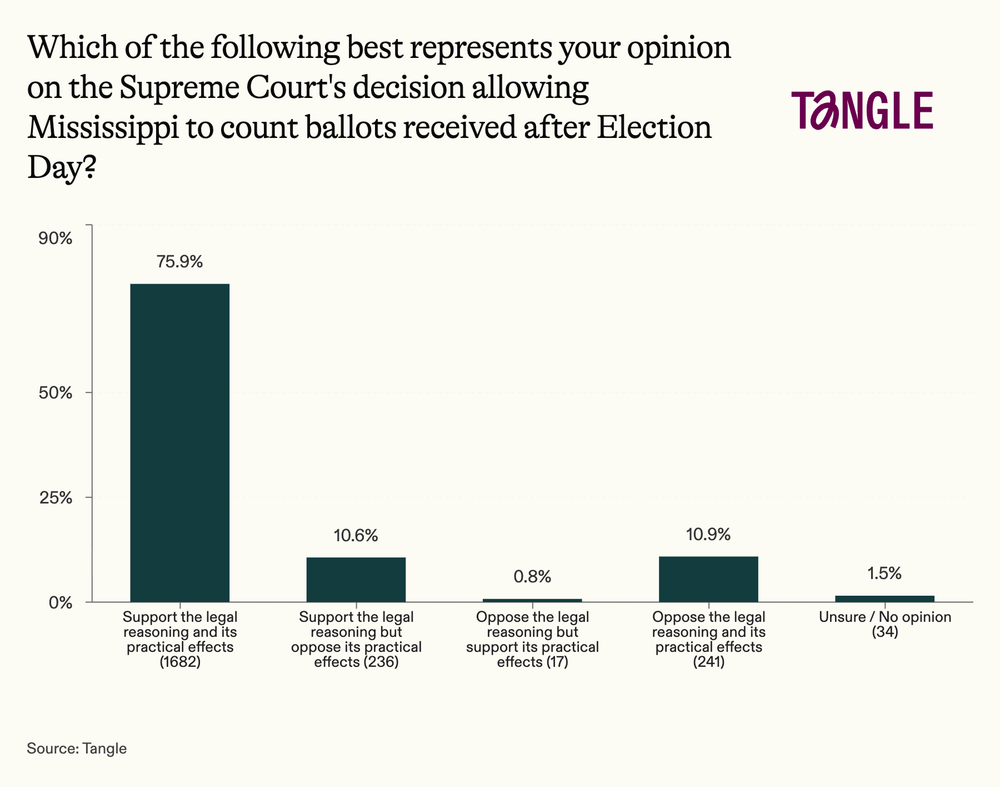
Watson v. Republican National Committee. On Monday, June 29, the Supreme Court ruled 5–4 to uphold a Mississippi law allowing election officials to count ballots postmarked by Election Day but received up to five days afterward. In its ruling, the Court rejected the challengers’ argument that federal statutes setting a national Election Day required ballot receipt by that day. Instead, the Court held that Election Day refers to voters choosing a candidate, which is fulfilled when voting is completed, not when ballots are received. The ruling comes four months before the 2026 midterm elections and ensures that Mississippi’s law will remain in place for the state’s elections.
Our take: “This outcome surprised a lot of people, and it’s a reminder that the Court doesn’t always rule predictably. Barrett’s opinion nails its conclusion that federal law only requires that votes be cast by Election Day. Alito’s dissent mostly rests on hypotheticals, and I’m glad the Court didn’t upend the midterms over concerns that weren’t salient to this case.”
Reader Survey:
Wednesday, July 1.
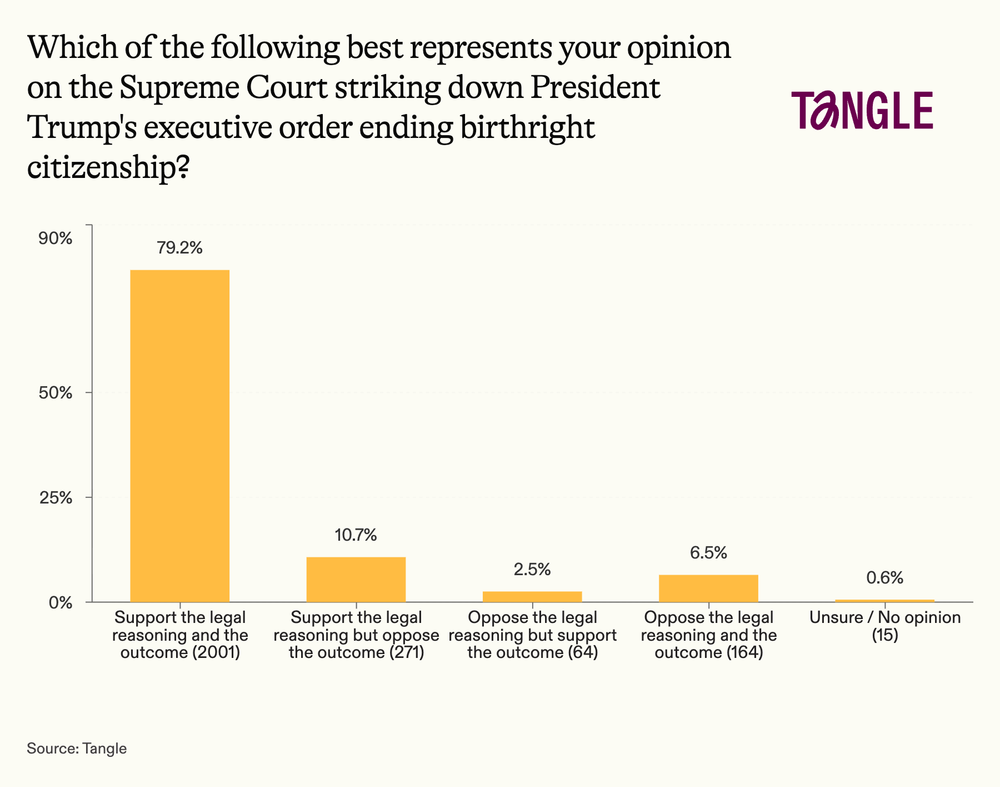
The birthright citizenship ruling. On Tuesday, June 30, the Supreme Court struck down President Donald Trump’s executive order attempting to end birthright citizenship, ruling 6–3 in Trump v. Barbara that the order is unlawful. Three Republican-appointed and three Democratic-appointed justices comprised the majority, though Justice Brett Kavanaugh dissented in part. Justices Clarence Thomas, Samuel Alito, and Neil Gorsuch each authored dissents.
Our take: “This outcome was reasonable and expected, but some of the reactions from the right have been shocking. The plain text of the 14th Amendment and its historical context support striking down Trump’s order. However, I found Gorsuch’s dissent compelling as a way to address the excesses of birthright citizenship.”
Reader Survey:
Thursday, July 2.
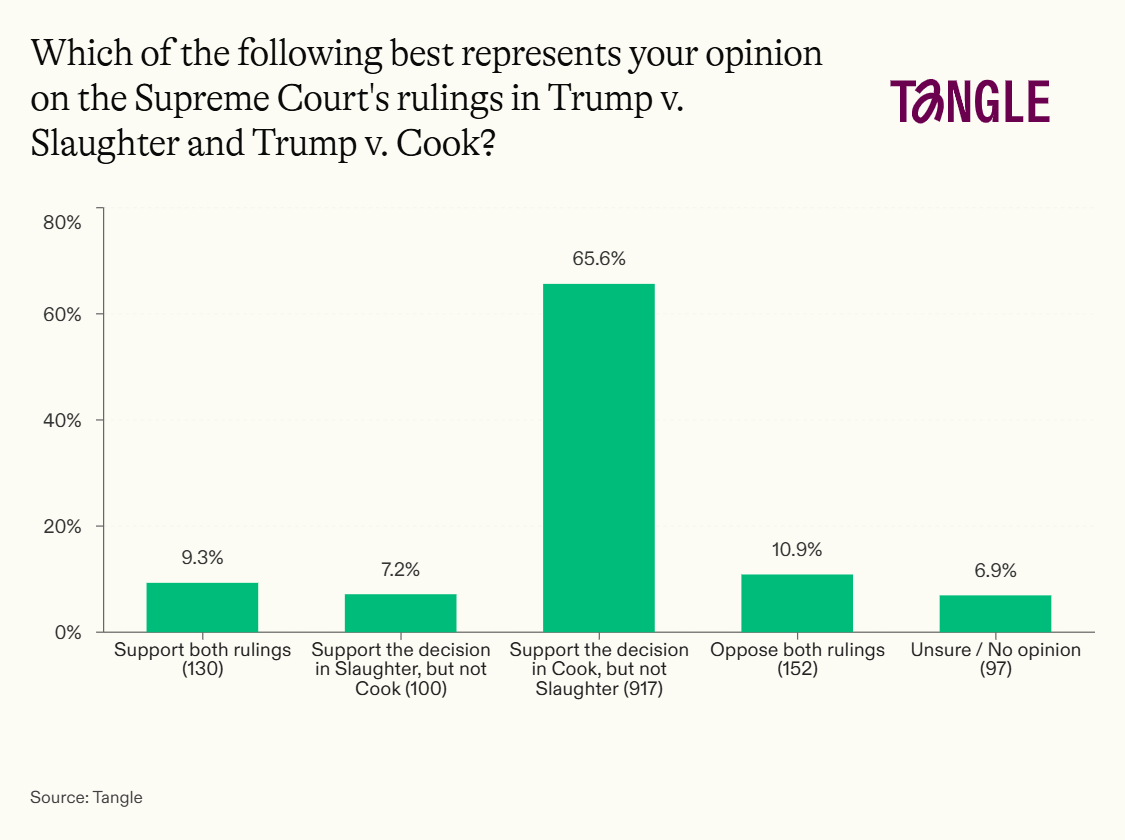
Two Supreme Court rulings on federal agency independence. On Monday, June 29, the Supreme Court issued two decisions on the president’s power to remove leaders of federal agencies. In the first case, Trump v. Slaughter, the Court voted 6–3 to strike down a federal law that limited the president’s power to fire Federal Trade Commission (FTC) members. In the second, Trump v. Cook, the Court voted 5–4 that Federal Reserve Governor Lisa Cook can remain in her role while her legal challenge to President Trump’s attempt to fire her plays out.
Our take: “These cases underscore the tension between originalism in theory and practice. I tentatively side with the majority in Slaughter, but the Court isn’t consistent with its logic in Cook. I think the practical effects of these decisions will be relatively limited — though long-term concerns remain.”
Reader Survey:
Friday, July 3.
In celebration of the 250th anniversary of American independence, Executive Editor Isaac Saul penned an essay reflecting on one of the most important American institutions — the free press. You can read his essay here.
What just happened.
Here’s a rundown of the major stories that have broken since our newsletter on Thursday.
On Thursday, Kyiv’s mayor said that Russia struck the Ukrainian capital with its biggest attack since the start of Russia’s full-scale invasion in 2022, launching 74 missiles and 496 drones and killing at least 21 people. (The attack)
On Thursday, a grand jury indicted former U.S. Olympian David Hearn on one felony count of destruction of property for allegedly damaging the Lincoln Memorial Reflecting Pool. Hearn denies the charge. (The indictment)
On Friday, Acting Venezuelan President Delcy Rodríguez said that the death toll from two earthquakes that hit the country on June 24 rose to 2,595, with approximately 38,500 people still unaccounted for. (The update)
On Saturday, nearly one million homes were without power amid a heatwave affecting the Midwest and Northeast. The heat is expected to continue through the weekend. (The weather)
Reader essay.
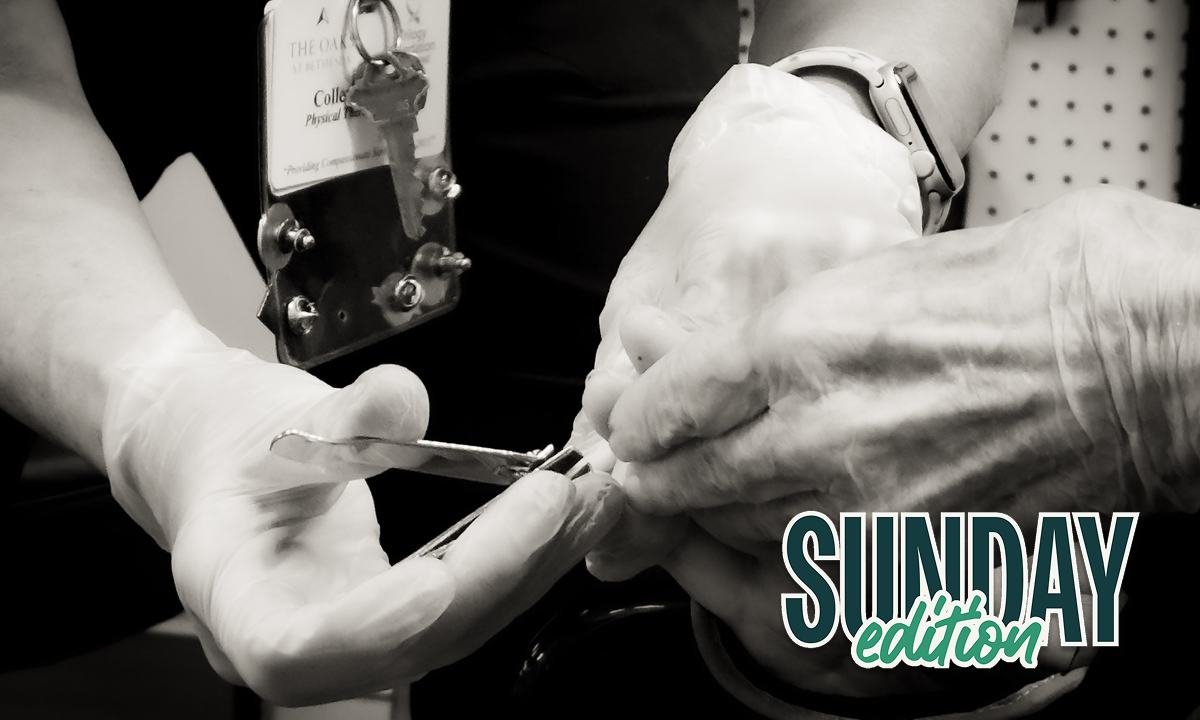
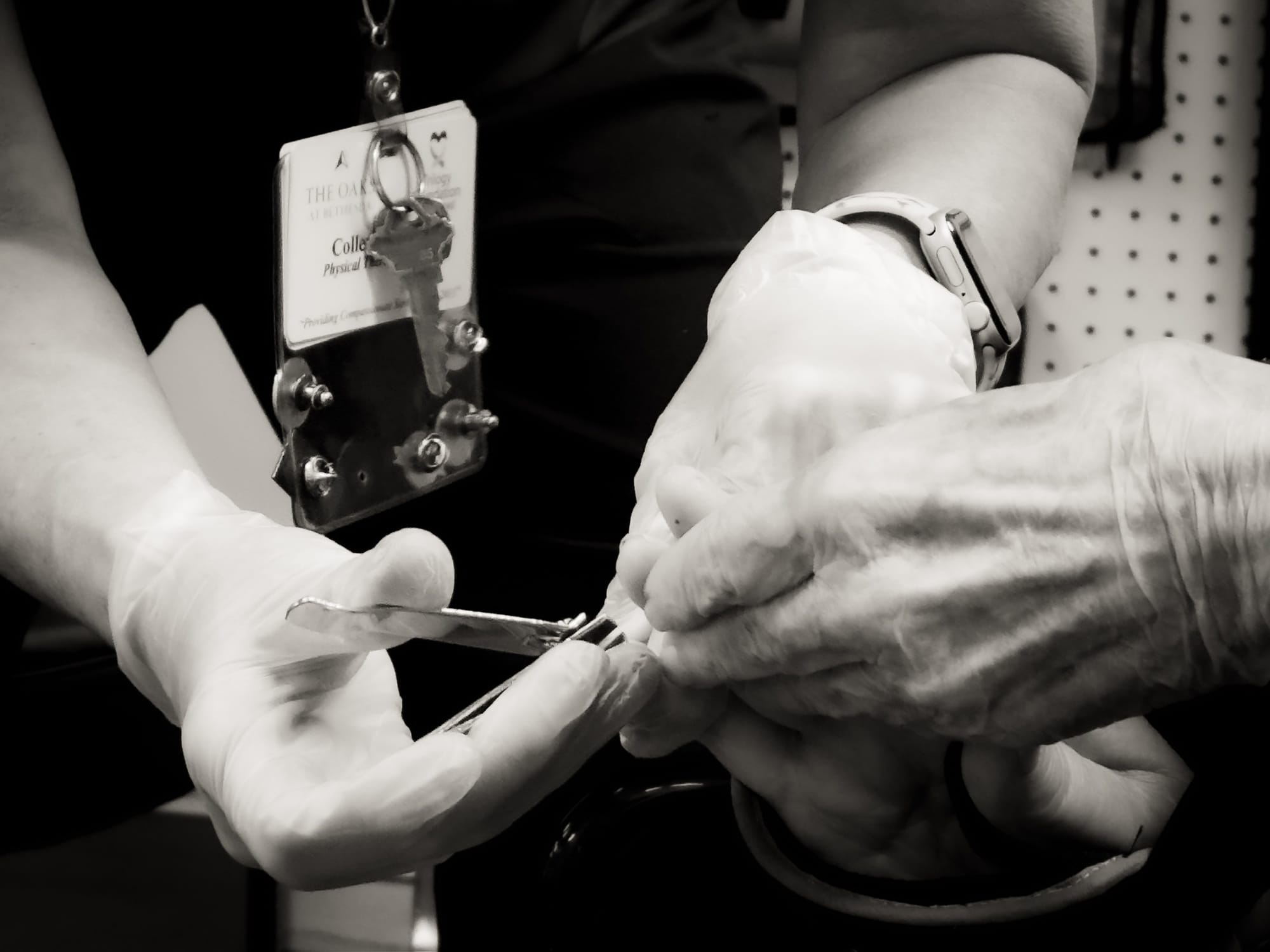
Photo from Leah Nairn
Tangle reader Leah Nairn’s father died as he lived — slow and measured. In this week’s reader essay, Leah recounts the story of the end of his life in stark, captivating detail, narrating how she balanced the care of her dying father with her care for her mother, who suffers from Alzheimer’s disease. It’s a beautiful, haunting account of the difficulties of caring for aging parents.
This post is for paying subscribers only
Sign up now and upgrade your account to read the post and get access to the full library of posts for paying subscribers only.