The author’s child in the woods | Photo from Rachael Hagerstrom
This is the Tangle Sunday Edition, a brief roundup of our independent politics coverage plus some extra features for your Sunday morning reading.
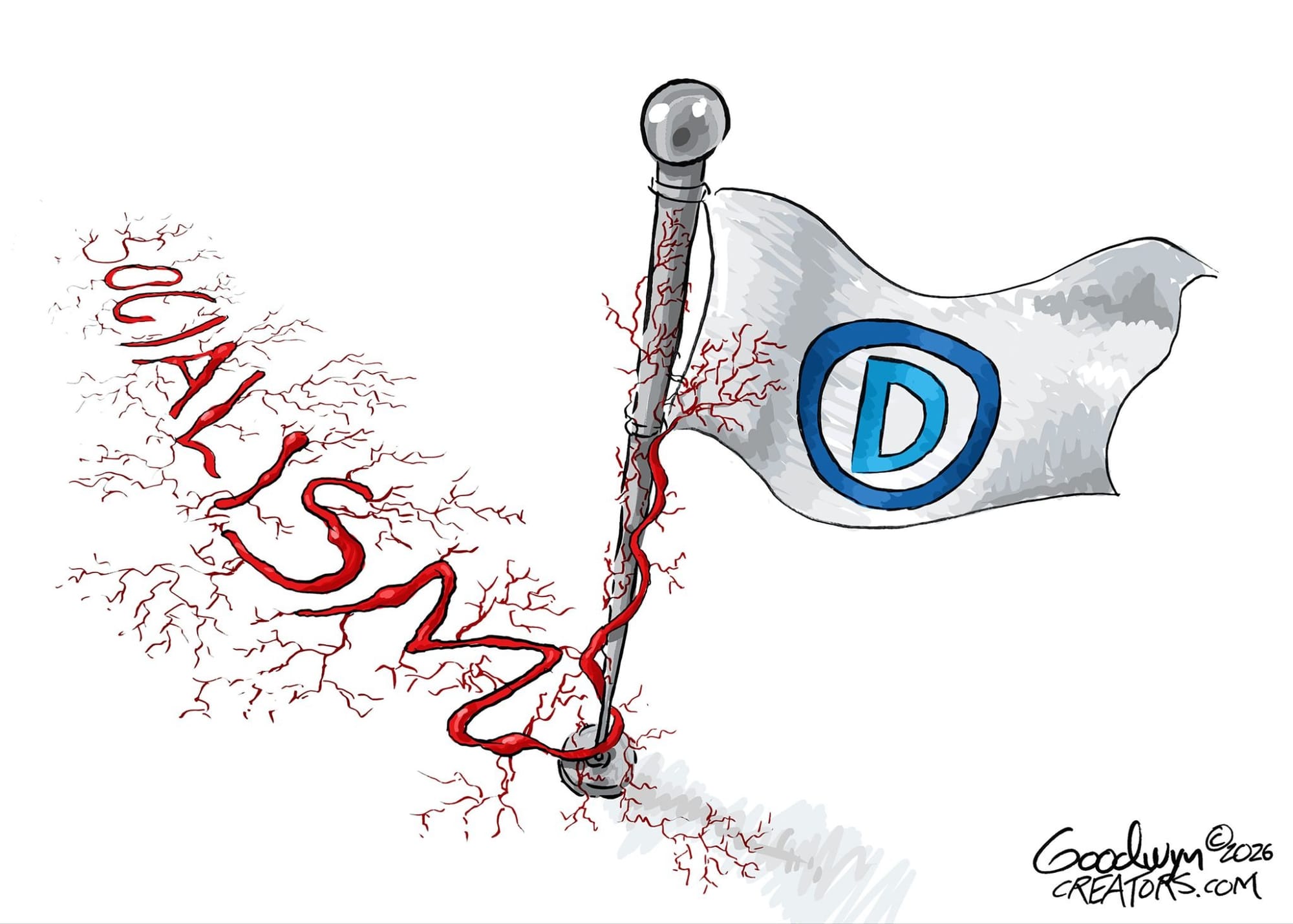
What the right is doodling.
Al Goodwyn | Creators Syndicate
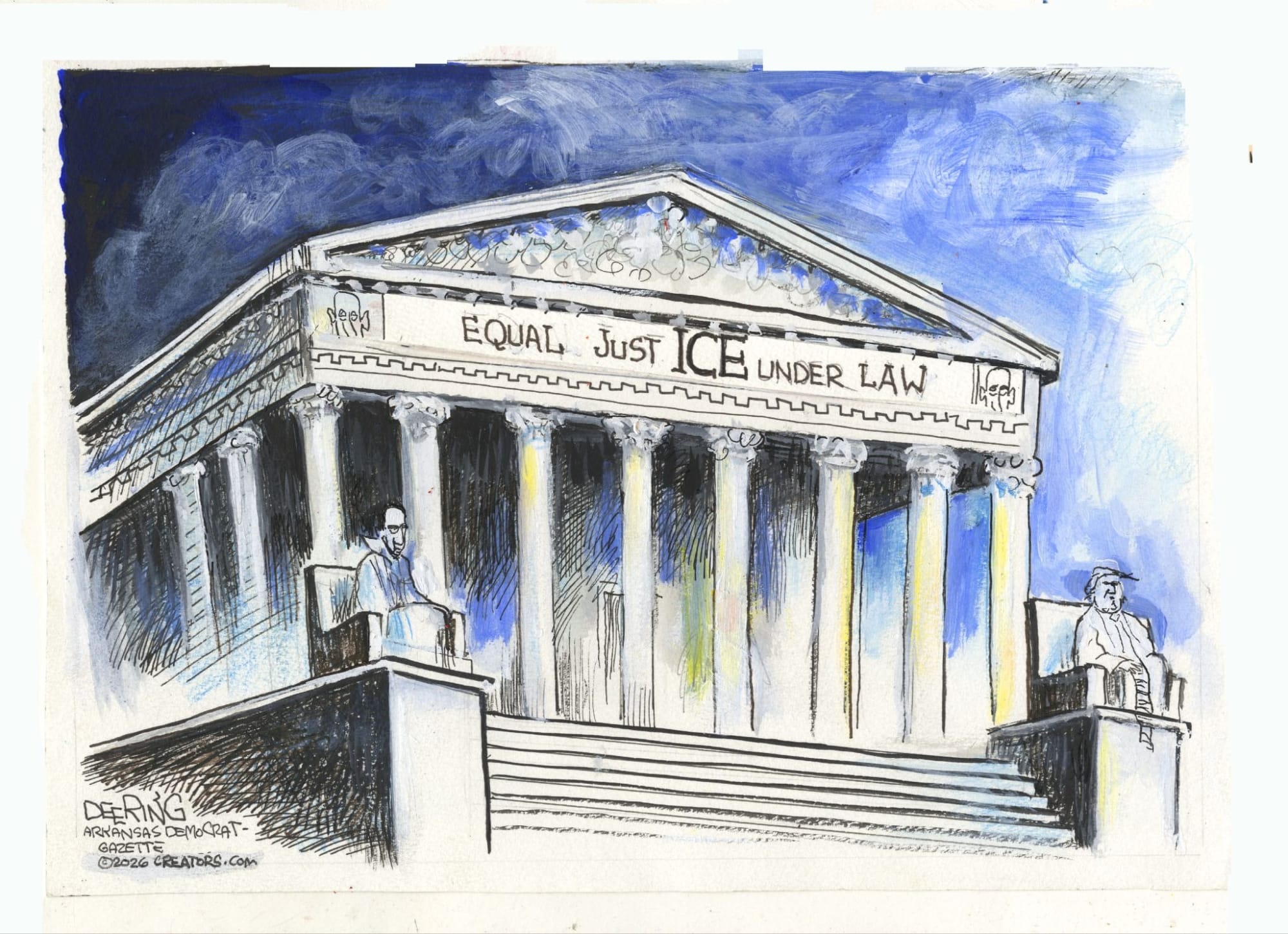
What the left is doodling.
John Deering | Creators Syndicate
Suspension of the Rules.
On this week’s episode of Suspension of the Rules, the team wades into the wider implications of Mamdani’s kingmaking in NYC, the controversy surrounding Tulsi Gabbard’s supposed association with a “cult leader,” and a debate about whether Tara Palmeri should have published an interview excerpt a congresswoman asked her to remove. It’s a lively episode worth your time:
From our partner
The 5-Minute Health Habit You’ll Actually Keep.
Start your mornings with All Healthy, the 5-minute daily wellness briefing trusted by over 1 million readers. They break down the latest in nutrition, fitness, longevity, and health news into clear, actionable insights you can actually use. No noise, no overwhelm, just what matters most for feeling and living better. Whether you’re just starting your health journey or looking to go deeper, All Healthy makes it easier to take action every day. Subscribe here. It’s free.
Monday, June 22.
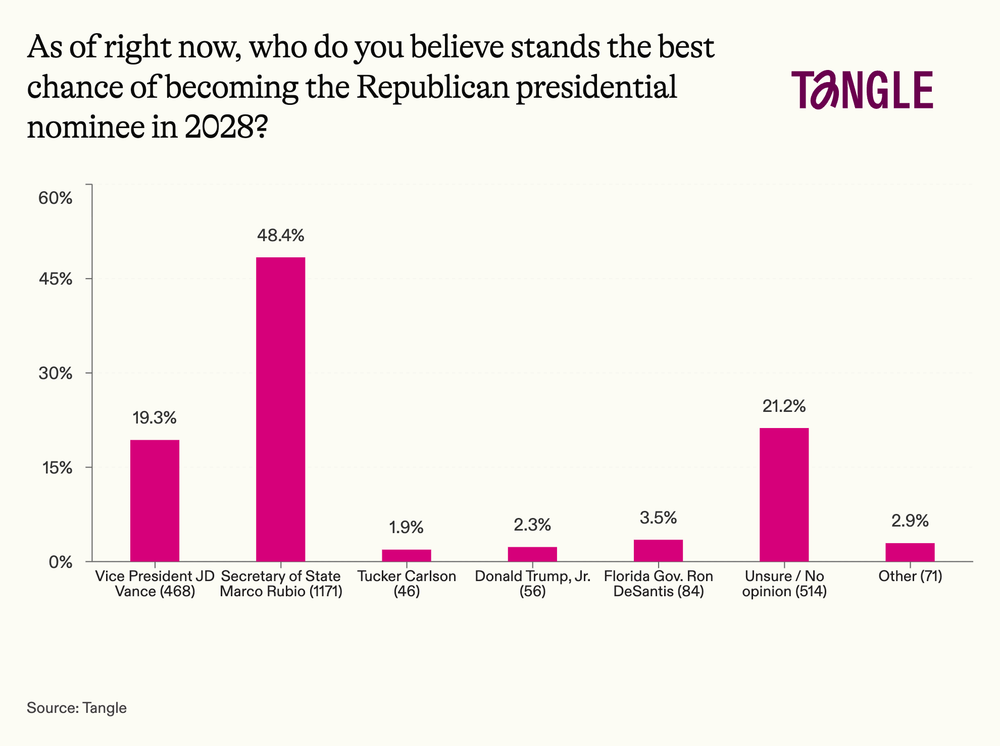
Vance and Iran. On Sunday, June 21, Vice President JD Vance and a team of U.S. negotiators met with Iranian officials in Switzerland to begin peace negotiations. The vice president took a leading role in finalizing the memorandum of understanding (MOU) that Iran and the U.S. signed last week, and on June 21, Vance called for a broad reset of relations after nearly four months of war. He also rebuked Israeli politicians for their criticism of the recent MOU, drawing scrutiny from some conservatives and raising broader questions about his prospects as a future party standard-bearer.
Our take: “After his boasts a year ago, Vance finds himself in an uncomfortable position. The vice president has to sell the public on a war he doesn’t want and is betting his political future on Trump’s whims. I understand the criticisms, but feel for one of the only guys who was right about the war from the start.”
Reader Survey:
Tuesday, June 23.
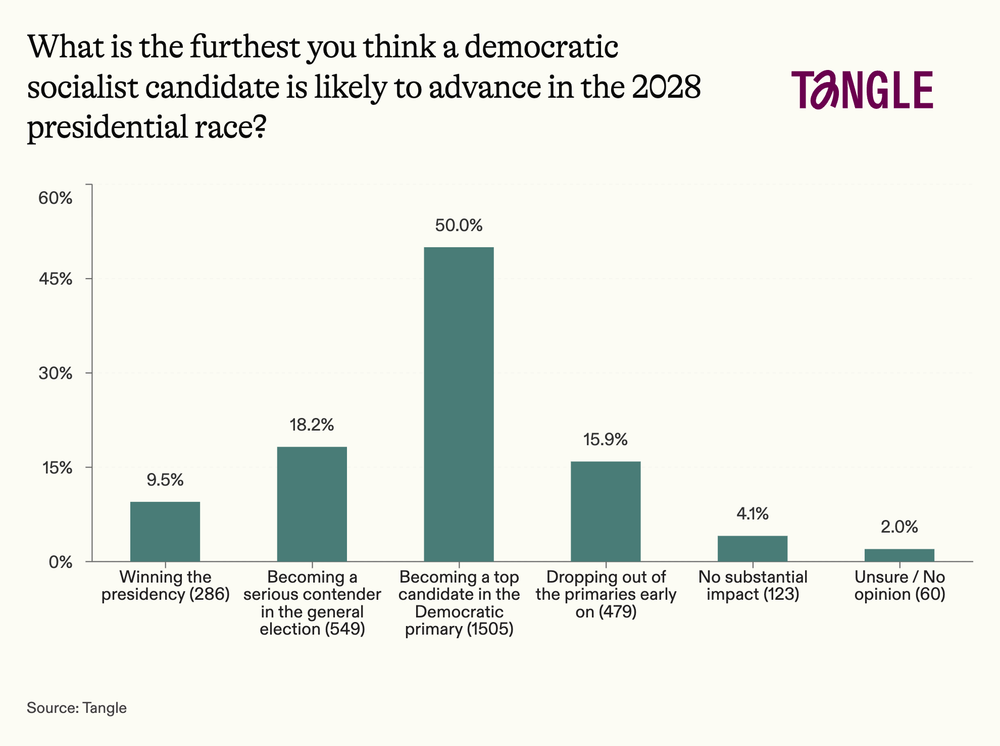
Democratic socialists’ surge. Ahead of the 2026 midterm elections, candidates aligned with the Democratic Socialists of America (DSA) have broken through in primary races for local and national seats. Headlined by figures like Sen. Bernie Sanders (I-VT), Rep. Alexandria Ocasio-Cortez (D-NY) and Rep. Rashida Tlaib (D-MI), democratic-socialist candidates have challenged incumbents in strongly Democratic areas, seeking to pull the party toward more progressive positions on key issues.
Our take: “I understand why this new crop of candidates promising radical change is exciting voters. The rise of democratic socialism is both a product of and a response to the MAGA movement. I’m unsure whether DSA can keep building its influence, but we’ll find out soon.”
Reader Survey:
Wednesday, June 24.
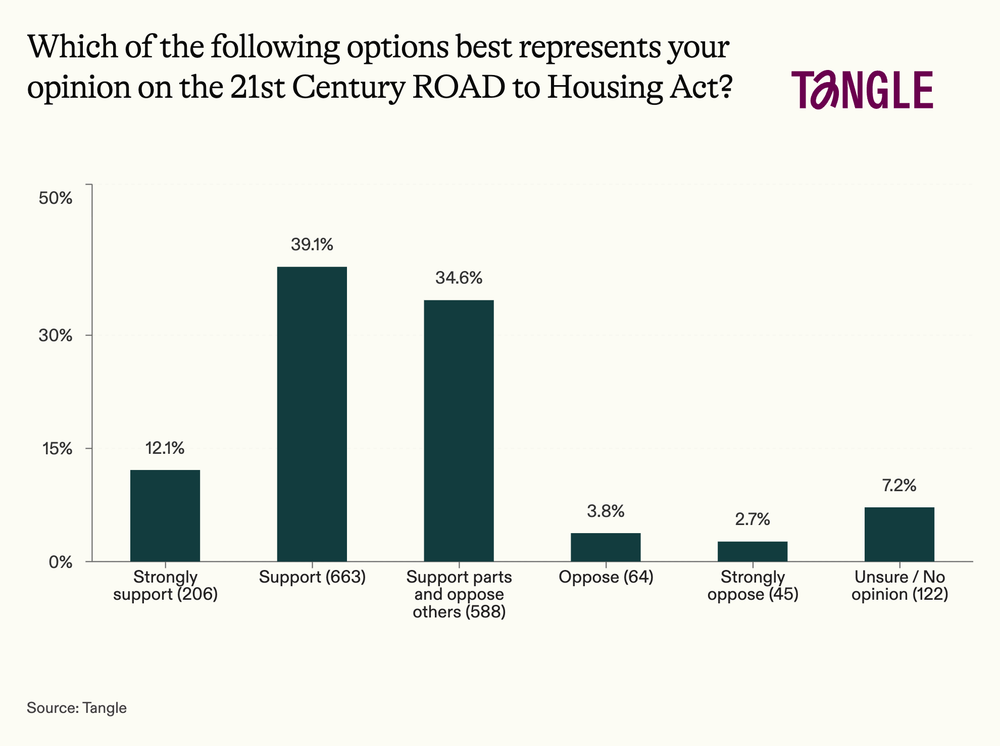
Congress’s housing bill. On Tuesday, June 23, the House passed a comprehensive housing affordability bill 358–32, sending the measure to President Donald Trump to sign into law. The bill, titled the 21st Century ROAD to Housing Act, seeks to increase housing supply by rolling back construction regulations, expanding financing options, and restricting institutional investors from purchasing single-family homes in most circumstances. The Senate voted 85–5 to pass the bill on June 22. After originally scheduling a signing ceremony on June 24, Trump announced he would cancel the signing until Congress passes the SAVE America Act. He has not indicated that he would veto the bill.
Our take: “I’m not sure this bill is really necessary, and its provisions are a mixed bag. I don’t think federal legislation is going to solve the housing affordability problems in most of the country, and banning institutional investors will actually be counterproductive. Still, it’s remarkable that this bill passed with bipartisan support — especially under a Republican president.”
Reader Survey:
Thursday, June 25.
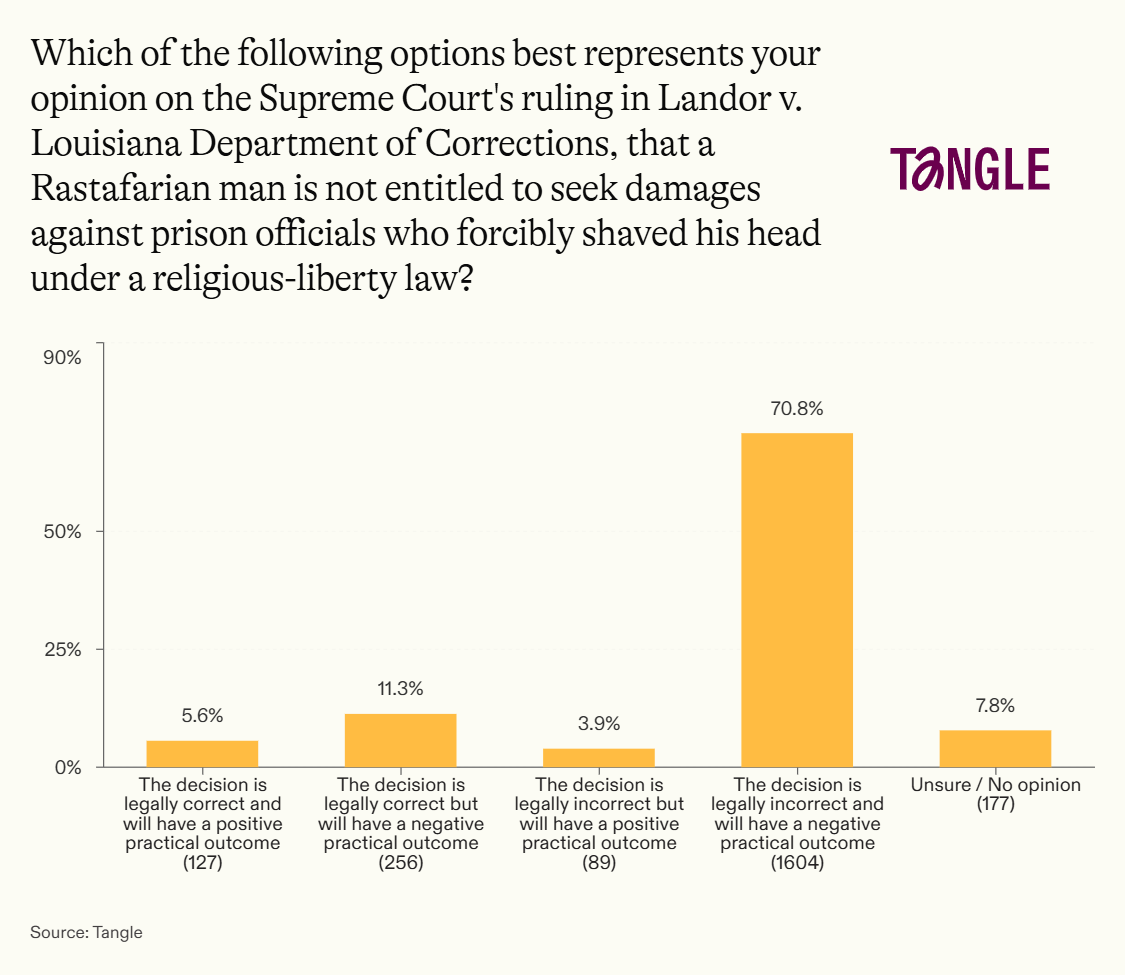
Landor v. Louisiana Department of Corrections. On Tuesday, June 23, the Supreme Court ruled 6–3 that federal law protecting prisoners’ religious exercise does not extend to a lawsuit brought by an incarcerated Rastafarian man who sought damages after prison officials forcibly shaved his head. The man, Damon Landor, sued both the Louisiana Department of Corrections and several of its officers individually under the Religious Land Use and Institutionalized Persons Act, which defines the religious rights of people held in institutions that receive federal funding. However, the Court’s majority found that the law does not apply to the prison officials named in the suit, as they had not entered into a formal agreement with the federal government.
Our take: “Landor’s religious rights were clearly violated, which no one involved with this case disputes. Redressing his harm nonetheless sets up a surprising paradox between the extent of Congress’s authority and individual rights. I’m truly torn between the majority and minority opinions on this case, and I sincerely hope Congress will act to settle any future issues.”
Reader Survey:
Friday, June 26.
This week, in honor of Father’s Day in June, Executive Editor Isaac Saul reflects on his experiences after 18 months of parenting and the myriad ways his son has transformed his life. Read the piece here!
What just happened.
Here’s a rundown of the major stories that have broken since our newsletter on Thursday.
On Thursday, U.S. officials said Iran attacked a cargo ship attempting to pass through the Strait of Hormuz, potentially violating the memorandum of understanding between the countries as they seek to negotiate an end to hostilities. (The attack) On Friday, the U.S. military struck Iranian targets near the strait in response to the attack. (The response)
On Thursday, the Supreme Court ruled 7–2 that federal pesticide law blocks many lawsuits alleging that pesticide companies failed to warn users about health risks. The ruling limits individuals’ ability to sue pesticide manufacturers over alleged health harms. (The ruling)
On Thursday, the Bureau of Economic Analysis reported that the U.S. economy grew 2.1% in Q1 2026, revising an earlier estimate of 1.6% growth. (The report)
On Friday, former national security adviser John Bolton pleaded guilty to one count of unauthorized retention of national defense information. He will be sentenced on October 28 and faces a maximum of 60 months in prison. (The plea)
On Friday, a judge declared a mistrial in the case of a man accused of starting the fire that became the Palisades Fire in Southern California in January 2025. The jury deadlocked 10–2 in favor of acquittal and said it could not come to a resolution. Prosecutors said they will retry the case. (The mistrial)
On Saturday, the death toll from two earthquakes that impacted Venezuela on Wednesday rose to 1,430, with tens of thousands of people still reported missing. (The update)
Reader essay.
The author’s child in the woods | Photo from Rachael Hagerstrom, edited by Russell Nystrom
In 2023, Rachael Hagerstrom was dumped — by the pharmaceutical company Pfizer, from a Lyme vaccine trial. Lyme is a serious illness spread through the bites of tiny ticks, and according to the Global Lyme Alliance, 476,000 new cases of Lyme disease arise in the U.S. every year. In this week’s reader essay, Rachael details the exasperation with ticks that brought her to the trial, and the complicated way the study evolved (and devolved).
This post is for paying subscribers only
Sign up now and upgrade your account to read the post and get access to the full library of posts for paying subscribers only.