By Rebecca Durfee
I remember being so scared — terrified, really. The indoor pool was noisy. Inside the pool, wooden tables lined the sides. At one end of each table was a semicircular piece of wood designed to keep a person’s head above water. Kids lying on the tables were undergoing physical therapy. The whimpers of scared children and the screams from those who were having painful muscle stretches filled the air.
Just a few days ago, I was a happy toddler of two and a half. Today, I could only move my neck and left wrist. I thought that if my head turned sideways, it would be in the water and I wouldn’t be able to move it and something bad would happen.
That is all I remember of the weeks and months of therapy following my diagnosis of polio. The virus ravaged my little body for several days, and I have been dealing with the consequences every day of my life since.
I’m not sure exactly when, where or how I contracted polio. What I understand is that we were visiting the United States and were unable to get the polio vaccine because we (my three siblings and I) were sick. We were going to get the vaccine as soon as we arrived home to Mexico, where my parents were missionaries. My parents weren’t too worried because Mexico had done a good job vaccinating. On our way home, we stayed at a motel with a swimming pool in Arizona, I think. We didn’t know at the time that there was an outbreak going on in the Southwest. I most likely caught the virus from the pool. Polio has a two-to-three–week incubation period, and counting back from when I first got sick after we got home, the pool is the most probable source.
Due to successful vaccinations, very few people now know or have seen a person who has had polio. So I invite you to accompany me as I describe a day in the life of someone coping with the effects of this disease 65 years later. I don’t mean to sound alarmist, but these effects might soon be felt by your children, or grandchildren, or maybe the children down the street from your home.
Pain wakes me. Weakness in my right hip and shoulder, pain across my left chest as muscles struggle to support the side of my upper body that has been doing the work of two. Breathe. Breathe, I remind myself. Again, breathe, as I slowly move stiff joints before getting up.
Time to start my day. Carefully standing up, I check my balance before taking a step. Hanging onto shelves, doorways — anything to keep me steady — I crab-walk the 12 steps to the toilet. It will be easier to walk after I put on braces and shoes. My left leg does most of the work since the virus left my right side very weak. My right foot drops and I have to swing my hip high to clear it off the ground. My back and hips strain from the effort, and tears form in my eyes as I fight back the pain. I angrily brush them away.
I haven’t even gotten started with my day.

Next come the braces. Knee-high socks on both legs. Short AFO (ankle-foot orthotic) brace on the left leg (1.5 pounds, including orthopedic shoe), laced up. Cotton stockinette on the right upper thigh to protect my skin from the long KAFO (knee-ankle foot orthotic) brace (3.5 pounds, with shoe). Four Velcro straps. Oops. That one is too tight… that one too loose.
The effort of getting up and dressed has fatigued me to the point that my hands shake. Worse still, I’m feeling tiny muscle tremors which indicate I need to rest. Resting is a new habit. Polio survivors are notorious for ignoring their bodies and pushing through any fatigue or pain, and I’m no different from the thousands of polio survivors who have gone before me. I’m having to learn to pay attention to what my body is saying and respond appropriately. Right now, my body is telling me to rest, so I head to the recliner for 20 minutes before going to breakfast.
I transfer to my motorized scooter, grab a small plastic glass and mug to use instead of the heavy ones from the dining room. Then I tie my thighs together. I no longer have the muscles to keep my legs together and without them being in the right position, I am unable to have my feet flat on the base. Without that support, I can’t sit up properly.
I have a leisurely breakfast with friends in the dining room of our independent living community. I appreciate not having to cook all my meals. Most of the time, I have my food served in a bowl and I eat with a spoon so I don’t spill so much. I eat slowly and chew thoroughly so I don’t choke on my food. I get tired from speaking after a while; my voice becomes hoarse, and I have to stop.
Back in my apartment, I notice I’m having trouble pushing the “on” button of my electric toothbrush. Add that to the problem list. I have time to read and respond to some emails, pay some bills, and make a few calls. Time for my morning rest. Moving to my recliner to put my legs up, I place a pillow on my lap to support my arms.
Transportation is almost always difficult. Publicly accessible transport is in short supply and often cannot be reserved in advance. How am I supposed to get to any appointment on time? My independent living community offers a bus with a lift, but I’m out of luck if it is in the shop or if I want to go someplace the bus doesn’t go. Today, I’m off to one of my many specialists. I have to remember to turn left on my way out of my apartment and then back up so I can lock the door without leaning across my body with my left arm/hand. Then I turn around and head the opposite direction towards the elevator. By the end of the day, my back and shoulder will ache from having to constantly reach across my body with my stronger left arm to reach buttons, switches, and handles that almost always are on the right side.
At the doctor’s office, I have to wait for the assistant to prepare an exam room with an ADA exam table, even though it is in my medical record that I require this accommodation. The Americans with Disabilities Act passed 35 years ago, and some days it seems that it has accomplished very little. Sorry, I’m grumpy today. There have been changes. It’s just that some days dealing with unnecessary obstacles takes up energy that I don’t have or need for something else.
At lunch, I notice the hand tremors getting worse as well as the muscles in my thighs and around my mouth twitch — signs that I’m fatigued. I work hard to ignore it all so I can concentrate on the conversations going on around me and participate in my friends’ lives. By the end of lunch, I’m ready for another rest.
When I get back to my apartment, I do a quick check for pain and fatigue. This is important to note if something changes or gets worse. It is usually better to take care of things sooner rather than later, but I hate having to spend so much of my brain energy on how I feel, how much energy I have, and if I can do whatever I had planned for a particular day and time.
First, the pain: My right neck and right shoulder are screaming at me (I’m pulling the seat release lever on my scooter too many times each day… I need to figure something else out), there is a burning patch on my right upper back (reaction to chronic pain), and my right hip, left shoulder, and left elbow ache from severe overuse. That’s okay— nothing much new except the right shoulder.
Next, fatigue: Muscles twitching around the mouth, left inner thigh, right lower abdomen. Hand tremor. Yep, it’s definitely time for a rest. I lie down after lunch for a minimum of two hours, sometimes four.
The rest of the day I alternate between trying to keep up with life’s necessities and life’s pleasures (family, friends, music, and art), interspersed with rest. It is hard to get everything done in about half the number of hours I had daily just a few months ago. I am much more conscious of how I spend my time.
By now, you have some understanding of the consequences of polio on my little two-and-a-half-year-old body some 65 years later. It took me over a year to walk again, although I was never able to run. I fall frequently. I am in constant pain, even though I take pain medication. Until recently, I believed that fewer and fewer of us would struggle daily with the effects of this sometimes-deadly virus until that number reached zero and never bounced back. That’s been mostly true — polio cases have flatlined, and nobody has died of the disease in the United States since 1988.
However, in 2022, the first polio case in the United States in over three decades was reported in New York. The young woman contracted the disease after travelling abroad. She was 22 years old; she was unvaccinated.
I’m not “special”; I’m not “brave.” I’m just tired and heartbroken that my country and many of its citizens have abandoned the public health principles that protect our children, our elderly parents, our neighbors and ourselves from diseases that leave people blind, deaf, scarred, paralyzed — and, sometimes, dead.
The development of vaccines is widely viewed as one of the most important medical advances of the twentieth century. Millions of lives have been saved and spared the harsh consequences of various diseases as a result. Declining vaccination rates risk that progress as more and more parents are choosing not to vaccinate their children.
I often hear people say vaccines aren’t 100% safe. Well, neither are the diseases they prevent and I don’t know that anything in life is totally risk free. Drive a car? Car accidents kill around 40,000 people a year in the United States. Enjoy swimming? Approximately 4,500 people die annually from accidental drowning. Like to eat? Well, you might be one of the 5,000 to 5,500 people who die from choking on food each year. Here is an excellent post analyzing the objections raised about vaccines, if you’re interested in reading more.
Another common argument is that people are free to make their own choices for themselves. The problem is that you don’t pay the price for your “freedom to choose” — other people pay the cost of your choice. Usually, those people aren’t your children, but the ones who have a medical condition that prevents their vaccination. But sometimes your child contracts a vaccination-preventable disease, and then it’s your child who pays the price. We have seen this just recently with the measles outbreak in the United States. The disease spread rapidly in various states and is still ongoing with patients dying. Dying — from a preventable disease!
So your freedom is costly. Those of us who have contracted these preventable diseases pay. We pay in the currency of pain, limitations, and struggles to do the simplest of things… every day… . for a lifetime.
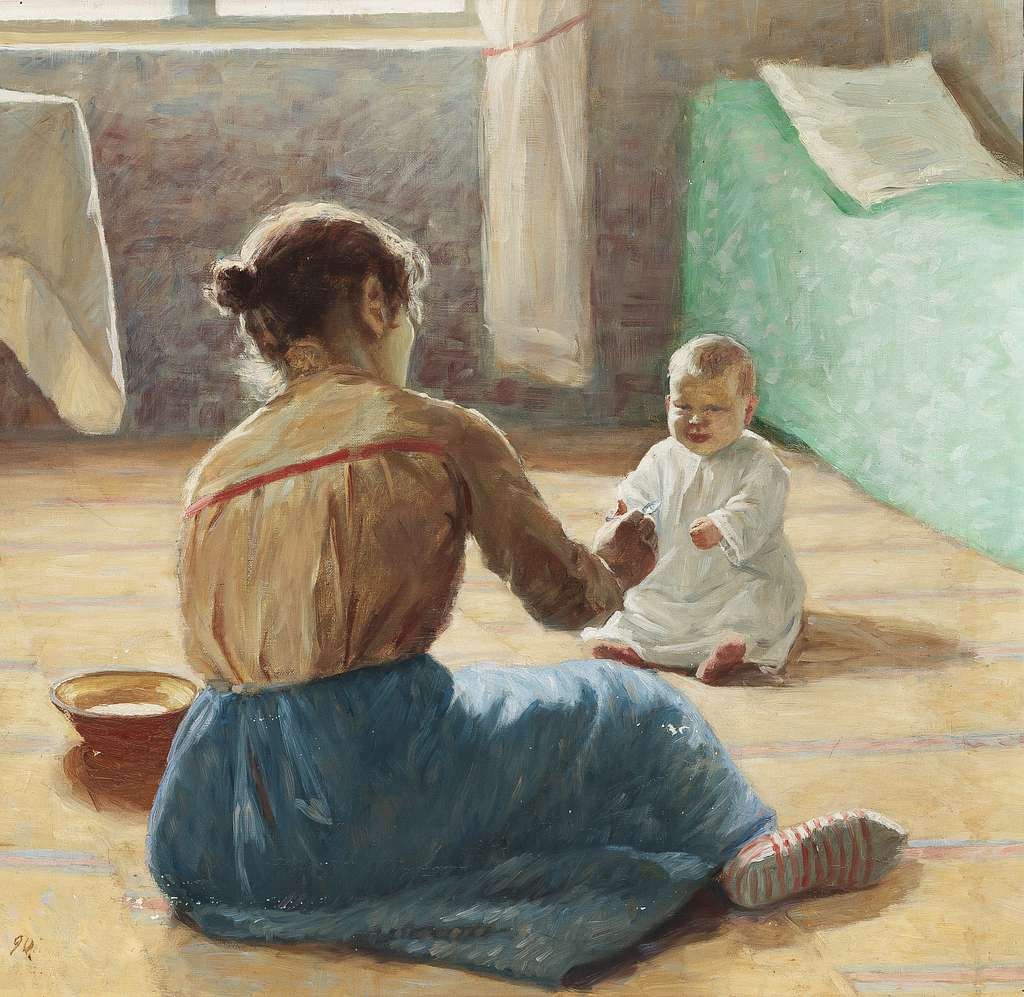
Rebecca Durfee is a retired mother of two daughters who worked as a Human Resources and Safety Director for a vineyard management company in California for 20 years. She recently started painting and is enjoying recreating some of the scenes she remembers from her childhood.
Member comments