By Alden Blodget
This piece was originally published in Intrepid Ed News and has been slightly adapted from its original.
“I’m walking. I’m walking right out of the door. I won’t ever be back.” The gray-haired teacher who was filmed during her meltdown in her classroom shouting those words to her students and doing exactly what she said became an instant nucleus of condensation for the torrent of frustration and stress felt by thousands of teachers. The number of psychologically exhausted educators who are mad as hell and not going to take it anymore is increasing. Teachers are looking for more tolerable jobs, while fewer of the best and brightest want to enter the profession in the first place.
And the mental health of the students also reflects stress and despair. Rates of teen depression and suicide continue to rise, along with an increase in “acting out,” which seems a woefully inadequate description of student behavior that includes violent acts of stabbings, shootings, and fights that have resulted in students being body-slammed and handcuffed by “resource officers.”
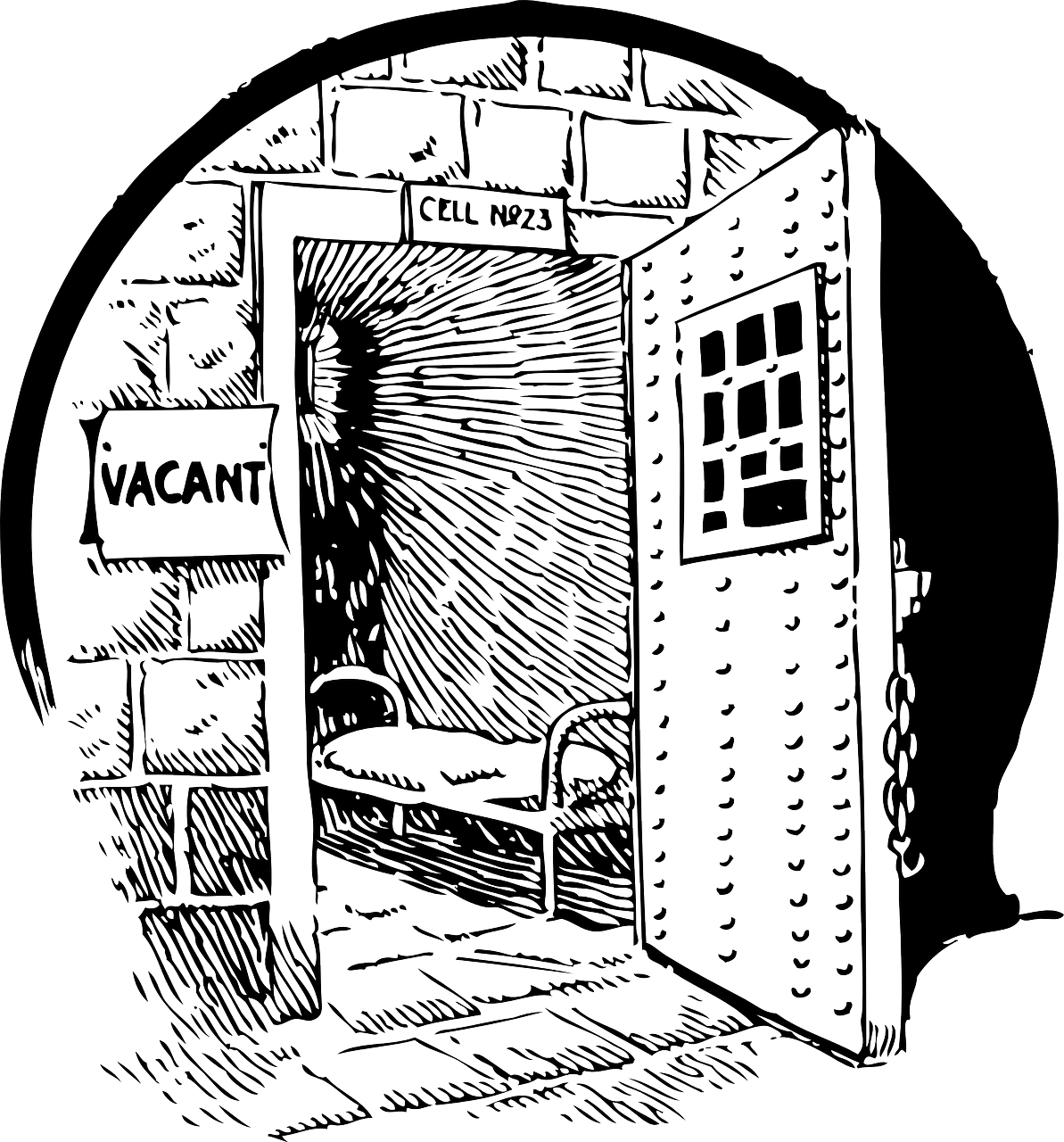
I have been a teacher for 50 years — 38 years in the classroom and the remaining 12 as a guardian ad litem (working in family and criminal courts with abused and delinquent children) and as a pro bono tutor (teaching students who want a tutor but can’t afford one). During that time, in addition to the usual alienated students (the misfits, the bullied, the rebels) who hate everything about school, I have listened to countless students talk about how much they hate the classroom. Not the sports fields, not the opportunities to interact with their friends, not the adults who clearly care about them — just the classroom. No one encapsulated the feeling more succinctly than the student who characterized his experience as “the state-imposed mandatory four-year sentence of high school.”
This image of school-as-prison suggests that, just as the mental health of the inmates and guards suffers in prisons, so does the mental health of the students and teachers in schools. God knows, the sources of mental distress today are numerous. The apocalyptic visions of our future engendered by the collapses of major systems that sustain life and human dignity; political, religious, and economic corruption and incompetence; social, bigoted, and technology-fueled antagonism; and of course the shootings — they all take a toll on all of us, and adult stress doubtlessly affects our children. But schools? Schools should not be a home to these stresses.
Surely, we can design schools capable of building a solid foundation for good mental health: schools that nurture and sustain a sense of purpose and meaning; that graduate young people engaged in studies connected emotionally to their lives; and that instill feelings of achievement, competence, and resilience. Educators know how essential these traits are, but instead of designing systemic structures, practices and policies likely to produce them, most retain a dogged devotion to the traditional system of school that undermines them. The failure of this system is evident in the frantic preoccupation with developing “interventions” aimed at depressed, unengaged students and “tips to reduce stress” offered to teachers. Well designed schools shouldn’t need interventions or “tips.”