By Isaac Wood
I’m a Midwesterner living in a small Appalachian city. I’m your typical white man, a member of the nearly eighty-five percent white population you might expect from Johnson City, TN. But I’ve learned there’s a lot more to see in a place than the eye permits, and the same truth applies to people. Every encounter I have with a person here is bubbling with surprising interests and unexpected perspectives, but also possible ways to offend each other. I’m constantly pricked by the question of how to interact with others in light of these potential offenses. Online encounters, cancel culture, and 100% unfiltered takes all give their answers to this question, but I’ve been on a hunt for a better one.
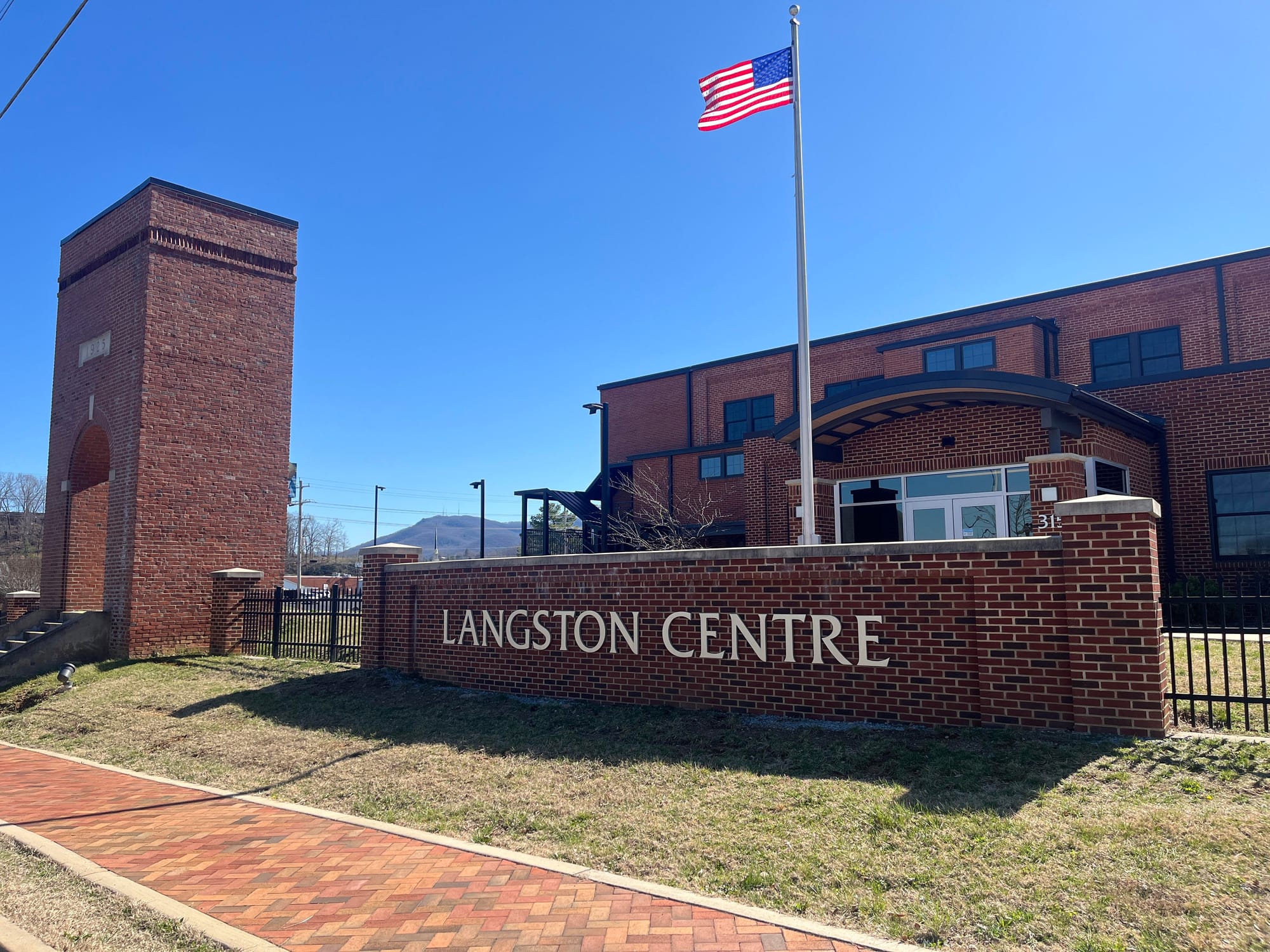
This year I worked in a building that was a high school for black students during segregation. It closed down in 1965 and fell into disrepair for decades. In the 2010s, a group of alumni came together to preserve the space and its history, working with the city government to transform it into a multicultural center.
I worked on an initiative called Community History 365, which preserves and shares multicultural history. As part of the initiative, I helped produce a narrative podcast. It turns out that for many, many decades Washington County, TN, has had a thriving black community, filled with interesting people with cool stories that communicate the complex reality of being black in East Tennessee. The podcast tells these stories, and it was my job to write the script.
But I’m white.
DEI is complicated, and so is the way we talk about it. I want to say up front that language can cause divisions and perpetuate tensions, on a national scale and interpersonally. We’ve all been in a conversation where someone says one single word that puts everyone on edge. One word can cause a working relationship to dissolve or a friendship to erupt. One word can tie all my nerve endings into knots. In fact, your nerve endings might have responded to my mention of DEI just a moment ago. I’m not going to dive too deep into the deep sea of DEI debates, but I do want to peel back the layers of my very particular situation.
Someone could argue that my race disqualifies me for this position. What gives me the authority to write about the complexity of being black in East Tennessee? Not only am I a white man, but I’ve only lived here for six years — how could I understand the context needed to write about East Tennessee history at all?