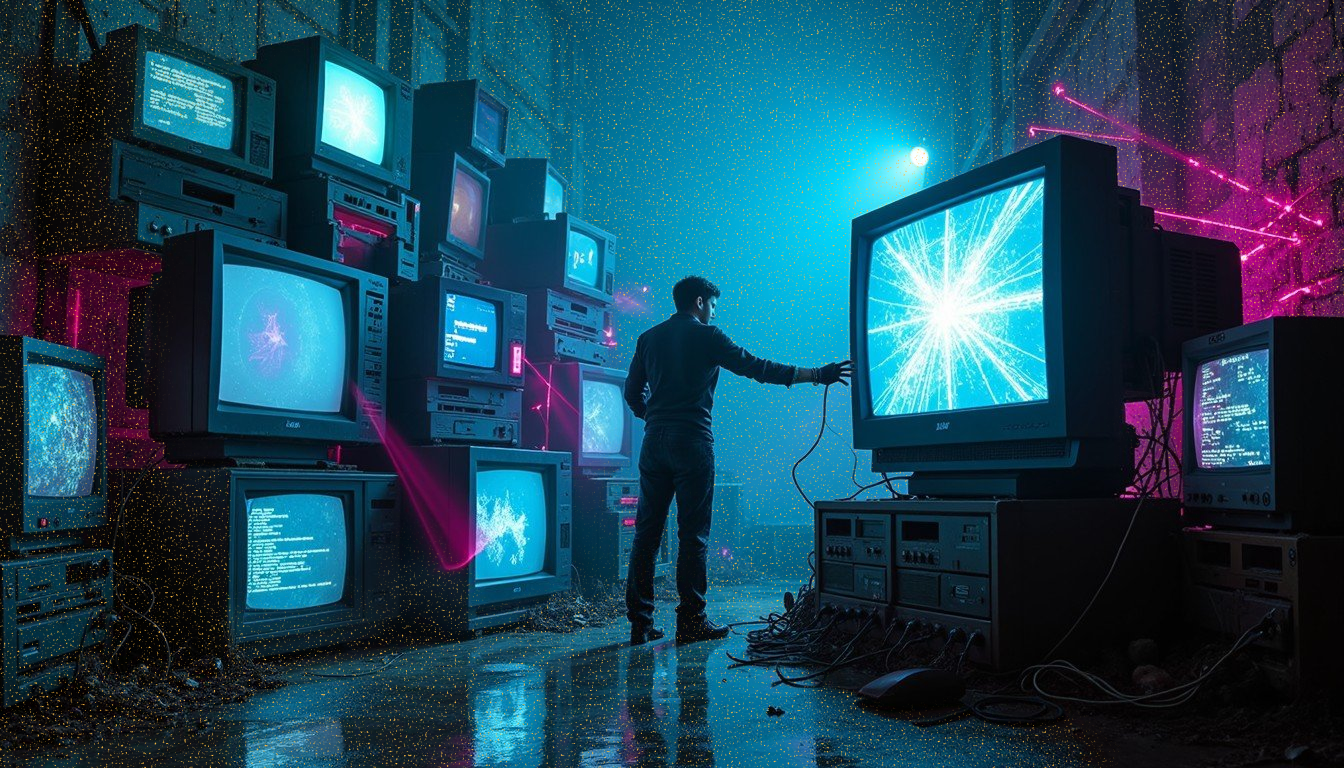
A revolution is brewing.
If it were a pot of water, I’d say it’s been on the stove for seven or eight minutes. It’s not quite boiling and bubbling and bursting, but the water is hot. The pot is hissing, and the stainless steel is shimmering. It won’t be too long before it boils over.
Signs of this revolution are everywhere: On the front pages of The New York Times, in niche corners of the internet, among my closest friends and family. It’s a backlash, really — one that began quietly and tentatively but is turning thunderous and unapologetic. It’s happening in homes, schools, restaurants, the workplace, and at parties.
It is a resistance and a genuine dread of just how much time we are all spending in front of our screens.
Whatever the latest ubiquitous consumer technology is — and however it’s designed to demand we spend more time looking at our phones or computers — we loathe it. We resist our acquiescence to it.
This is a new phenomenon. For the last few decades, the dominance of these screen-based consumer technologies has been accelerating exponentially. For a long time, there was no predictable end in sight and very few signs of resistance.
In the early 1990s, just 27% of Americans had computers in their homes. By the end of the decade, over 40% did. In 2007, Apple launched the iPhone, dropping a miniature computer into everyone’s pocket. By 2011, about one in three Americans had a smartphone, and the number was rapidly accelerating.
Today, roughly 90% of Americans have a smartphone, and about 95% own a computer.
As these technologies boomed in popularity over the last 30 years, many people believed that we’d eventually look around and say, “Wow, the world these innovations created has transformed our lives in positive ways. I want more of this and will embrace the innovations to come.”
I think we’re actually realizing the opposite. We’re finally pausing to take stock of where this technology has taken us, and we don’t much like where we’ve landed.
We sense the severity of this new reality all around us. Toddlers are absorbed in iPads at restaurants or the park. The internet, once a luxury you may have had to trek to a cafe to access, is now like oxygen. Meta is building chatbots that can have sensual conversations with children. Teachers report their students disassociating on their phones at school and increasingly support phone bans. Black Mirror episodes feel increasingly prophetic.
We look around and wonder: Why is everyone so anxious? What happened to all the parties? Where are the kids playing outside? And I think we know the answers. It’s just a hard thing to admit, given what it would demand of us to change our behavior.
Accordingly, many Americans are primed to reject the next world-changing technology.
Well, the next world-changing technology is already here.