

This is the Tangle Sunday Edition, a brief roundup of our independent politics coverage plus some extra features for your Sunday morning reading.
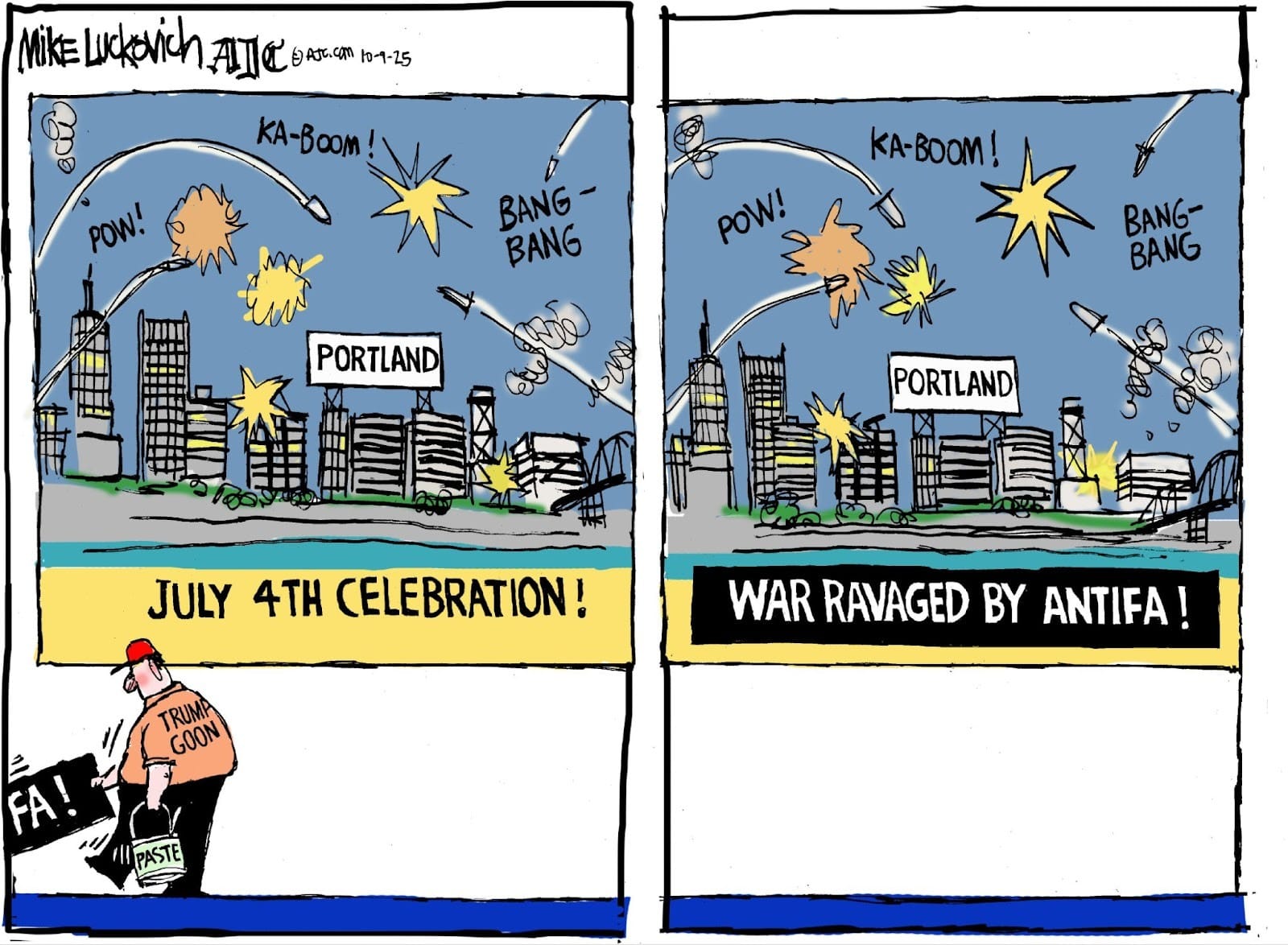
What the left is doodling.
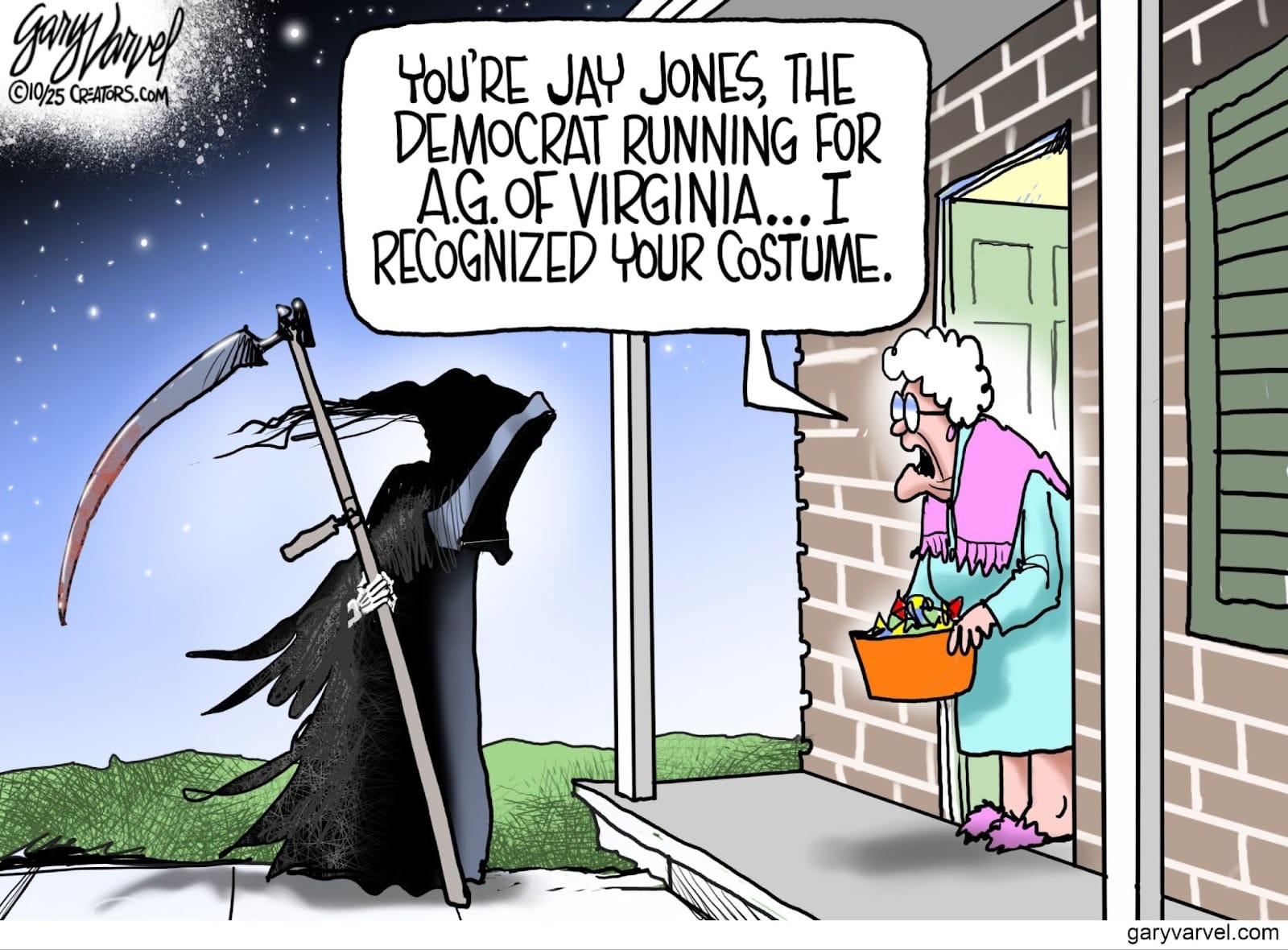
What the right is doodling.

Monday, October 6.
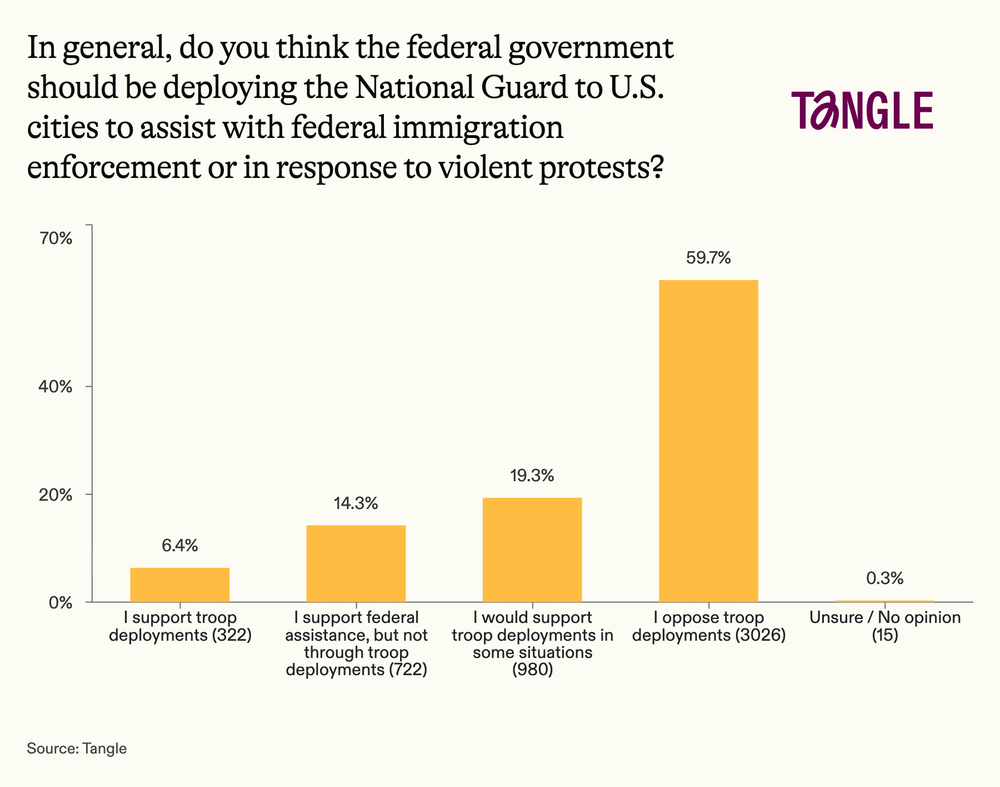
The federal crackdown in Chicago and Portland. In recent weeks, President Donald Trump deployed Illinois National Guard troops to Chicago and attempted to mobilize the National Guard to Portland, Oregon, leading to arrests and clashes with protesters in the cities. In Chicago, hundreds of federal officers carried out a large-scale raid at an apartment building on Tuesday, leading to a reported 37 arrests of alleged unauthorized immigrants. In Portland, a federal judge temporarily blocked the Trump administration from deploying the Oregon National Guard. Then on Sunday, October 5, Secretary of Defense Pete Hegseth called up 400 members of the Texas National Guard for deployments to Portland, Chicago, and other cities to support federal agents and protect property.
Our take: “Trying to cover this moment fairly and without hysterics is very difficult, and none of our political leaders are helping. These troop deployments and immigration raids are increasingly dangerous and not worth the cost. Federal law enforcement faces real threats, but we still don't want presidents to have this kind of power.”
Reader Survey:
Tuesday, October 7.
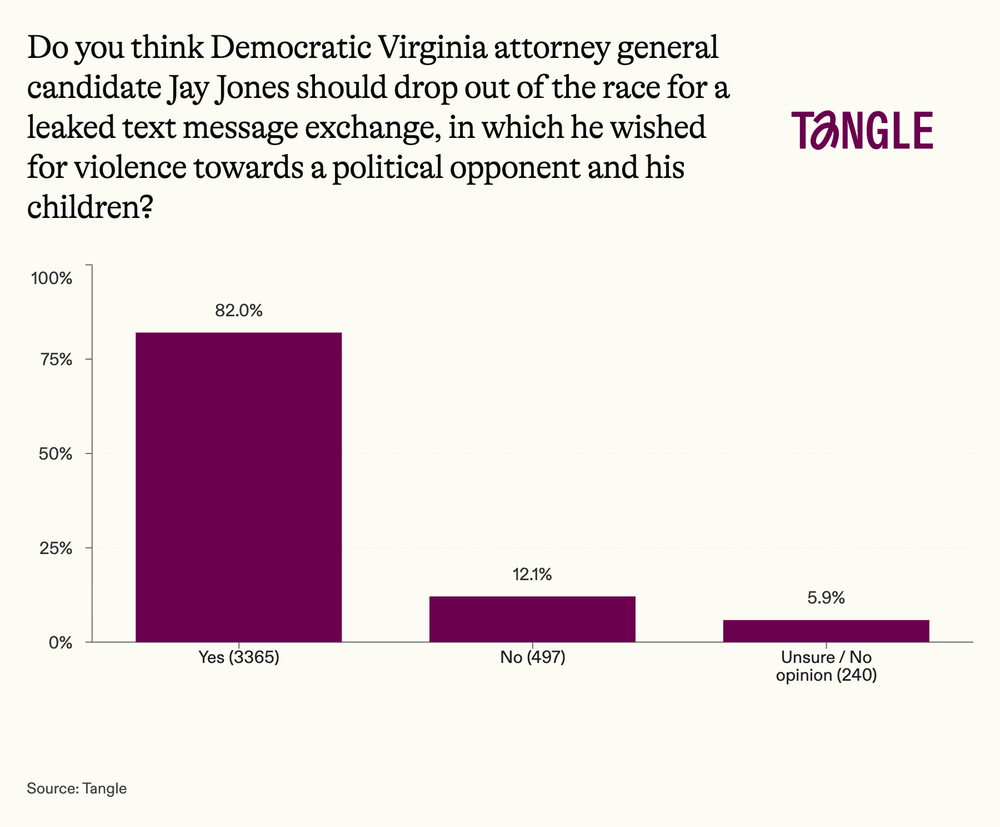
The Virginia attorney general controversy. On Friday, October 3, National Review published text messages from former Virginia House of Delegates member Jay Jones (D) sent to a Republican colleague — House Delegate Carrie Coyner — in 2022. In the messages, Jones expresses disdain for Virginia House Speaker Todd Gilbert (R), then says that he would shoot Gilbert in a hypothetical scenario where he could kill either him or dictators Pol Pot and Adolf Hitler. Jones went on to suggest that he wanted Gilbert’s children to die from gun violence because it might prompt the speaker to change his stance on gun control. The messages, which Jones has apologized for, drew strong rebukes from local and national Republicans, many of whom have called for Jones to drop out of the race for Virginia attorney general. The controversy has also resurfaced discussions about political violence following conservative activist Charlie Kirk’s assassination in September.
Our take: “The conservative pundit Guy Benson summed up why this moment feels so dangerous to the right. I personally think the empowered party presents a larger threat. Jay Jones presents a great opportunity for everyone to draw a red line at endorsing political violence.”
Reader Survey:
Wednesday, October 8.
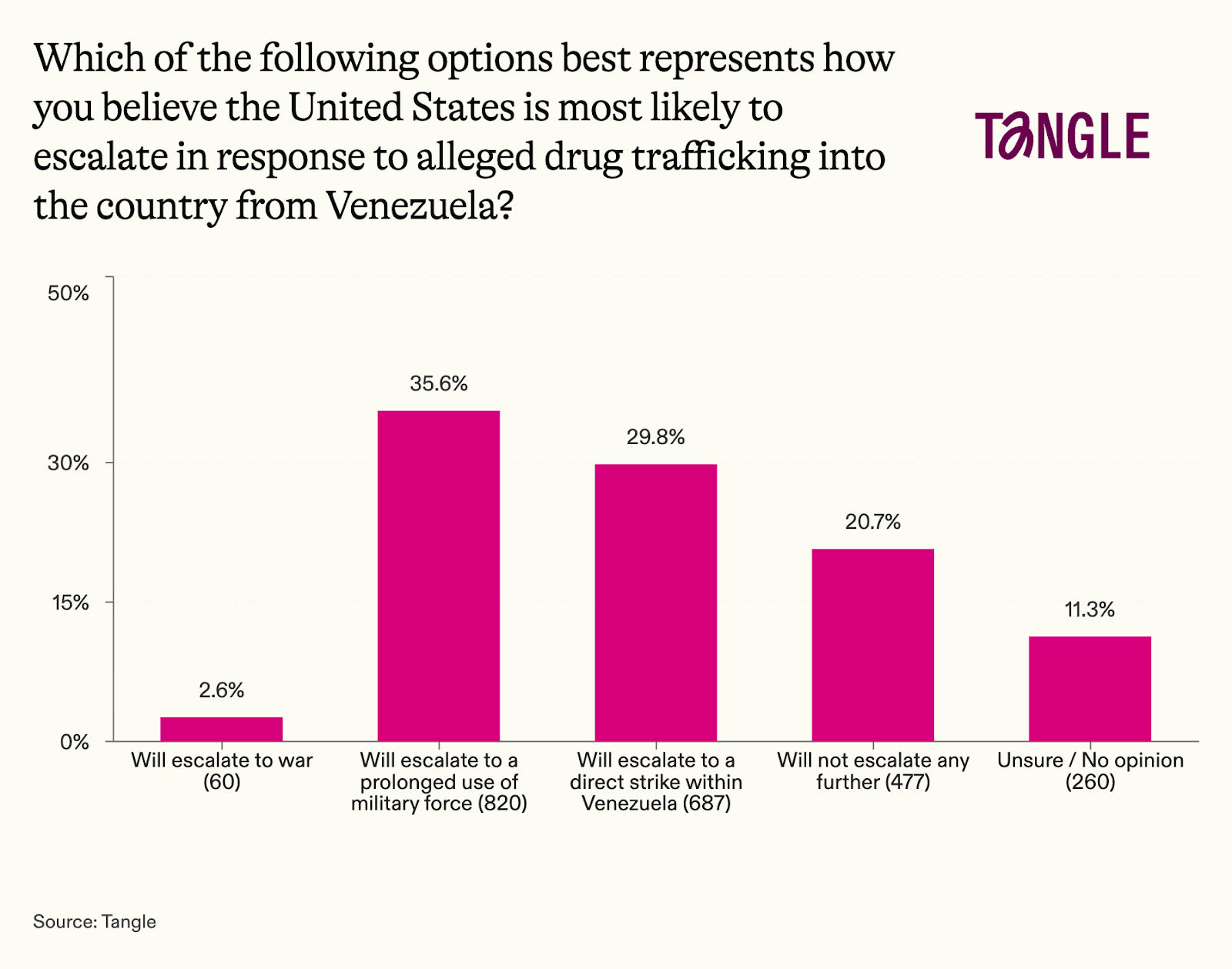
The Venezuelan boat strikes. On Friday, October 3, Secretary of Defense Pete Hegseth said that the United States had struck a small boat in international waters off the coast of Venezuela, killing four people. Hegseth alleged that the boat was operated by the drug cartel Tren de Aragua and was trafficking narcotics to the United States. The strike is the fourth confirmed time the Trump administration has sunk a small craft it alleges was controlled by “narco-terrorists,” including a strike on September 2 that killed 11 and two others on September 15 and September 19.
Our take: “The relative normalization of these strikes feels crazy to me. We don’t know anything about who or what was on the boats, but we know extrajudicial killings don’t resolve instability (and they’re probably illegal). A direct attack on Venezuela seems increasingly possible, but I don’t think Trump will cross that bridge.”
Reader Survey:
Thursday, October 9.
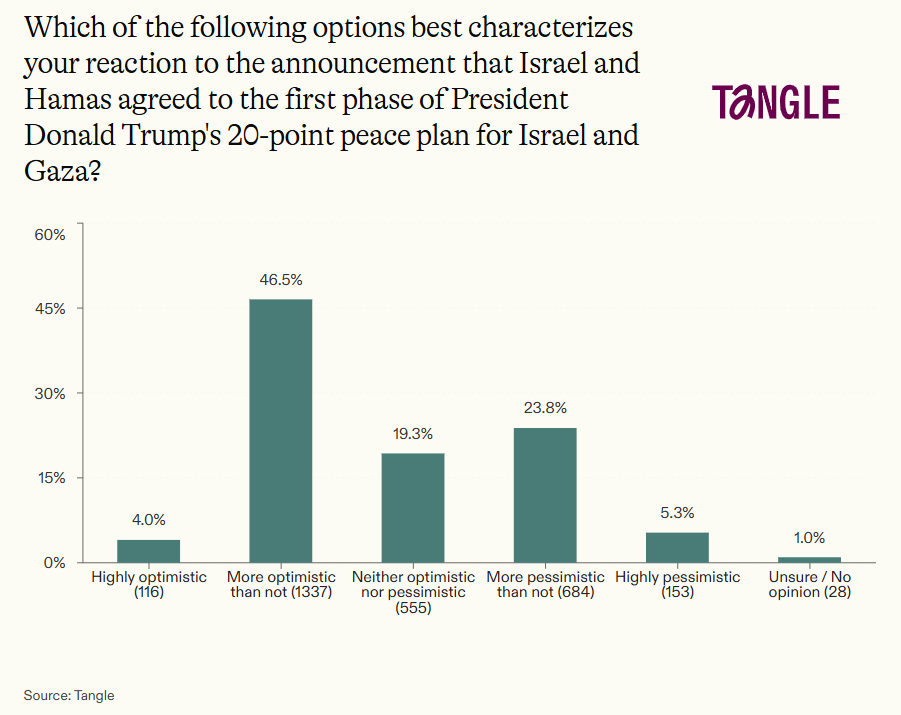
The Gaza peace deal. On Wednesday, October 8, Israel and Hamas agreed to the first stage of President Donald Trump’s plan to end the war in Gaza. Precise details of the agreement are still being worked out, though the initial provisions took shape overnight. Under the terms, within 24 hours, Israel will retreat to agreed-upon deployment lines — remaining in control of about half of Gaza; within 72 hours of Israel’s retreat, Hamas will release the remaining hostages. Israel will also return a multitude of imprisoned Palestinians, but it reportedly does not intend to release several prominent detainees, including Palestinian leader Marwan Barghouti.
Our take: “It feels surreal, but there could actually be peace in Israel and Gaza. Compared to just a few weeks ago, the recent development is stunning. There is still plenty to do, but these developments provide good reason for some optimism.”
Reader Survey:
Friday, October 10.
In this week’s Friday edition, Andy Mills and Matthew Boll — two of the most prolific podcasters of all time — tell the story of the debate that could determine the future of the human race: How serious is the threat from artificial intelligence? You can read their exploration here.
What just happened.
Here are a few stories that have broken since our last newsletter on Thursday.
- On Thursday, a federal grand jury in Virginia indicted New York Attorney General Letitia James on charges of bank fraud and making false claims to a financial institution. (The indictment)
- On Thursday, the Senate voted 77–20 to approve the National Defense Authorization Act, which would fund the military at $924.7 billion in fiscal year 2026. The House and Senate armed services committees will now work to reconcile each chamber’s version of the legislation. (The vote)
- On Thursday, a federal judge issued a temporary restraining order blocking the Trump administration from deploying the National Guard to the Chicago area, finding that there was no credible reason for the deployment. (The ruling)
- On Friday, Israeli Prime Minister Benjamin Netanyahu’s full cabinet voted to approve the first stage of a peace plan to end the war in Gaza, which requires Hamas to release all remaining hostages within four days and Israel to release thousands of imprisoned Palestinians. (The approval)
- On Friday, Peru’s Congress voted 122–0 to impeach and remove President Dina Boluarte for “permanent moral incapacity,” following widespread dissatisfaction with Boluarte’s handling of crime in Peru. The president of Congress, José Jerí, will serve as interim president until the next general election in April 2026. (The impeachment)
- On Friday, the Nobel Committee awarded Venezuelan opposition leader María Corina Machado the Nobel Peace Prize in recognition of her efforts to promote democracy in her country. (The award)
- On Friday, the Trump administration began laying off thousands of federal workers amid the ongoing government shutdown, with President Trump saying that the firings will be “Democrat-oriented.” At least 4,000 federal workers received layoff notices so far. (The layoffs)
- On Friday, an explosion at an explosives plant in Tennessee left 16 people missing. On Saturday, authorities announced that all 16 are presumed dead. (The explosion)
- On Friday, President Trump announced new 100% tariffs on imports from China starting on November 1, saying that the move was a response to China’s new export controls on rare-earth minerals. (The tariffs)

Reader essay.

Martyrdom of Saint Simonino, by Daniel Mauch | wikimedia commons
Over the course of the war in Gaza, we've sought to deliver a diversity of thought about the conflict to complement the viewpoint from Isaac and the rest of our staff. However, our stances have tended towards critical of Israeli actions (including a reader essay last week that mirrored many of the thoughts expressed in Tangle). To balance that out, today we are featuring a piece from Tangle reader Dinah Bucholz arguing that Israel has behaved morally throughout the war and that deeply biased narratives have taken hold in the media (including Tangle). Dinah has remained a Tangle reader and a thoughtful discussant throughout this conflict, even though she disagrees deeply with much of our coverage of the conflict, as have many other pro-Israeli subscribers.
Turning the tables feels fair; today, we offer Dinah's piece in full, and we hope readers will engage with it inquisitively and thoroughly. You read Dinah’s piece here.
Have a personal story or local issue you want to write about? Pitch us! Fill out this form or reply to this email, and we’ll get back to you if we’re hooked.
Reader comments.
In this section, we like to highlight reader comments that respond to our coverage from different angles. Our recent edition exploring the future of AI focused on three camps: Doomers, Accelerationists, and Scouts. However, several readers found the framework limiting and suggested a more skeptical position on the nascent technology.
NG pushed for the inclusion of a fourth camp.
This breakdown is missing another camp of respected AI researchers: The Critics. I'm thinking of folks like Emily Bender, Tinmit Gebru, and Margaret Mitchell. The think tank Data & Society tends to align with this view and publishes lots of thought-provoking research and analysis.
The Critics think we're in a mega-hype bubble and that all three of the camps you listed are doing self-interested things to build the hype bubble. In their view, even the Doomers are guilty of this because all of these folks are basically sending the message, “We are the wizards who can build/control the most powerful thing ever that you plebs can't understand. Fund us.”
The Critics are focused on looking at the negative impacts of “AI” that are already here that others (including this Tangle review) dismiss as minor concerns: job loss, bias, polarization, proliferation of BS, centralization of power, etc.
Camus said that AI consumer products were about to degrade.
Here's the realistic near future with AI: It likely won't become a doomsday intelligence, especially not on current learning architectures, but the future of AI can still suck. You can nearly always bet on people choosing the easier, quicker, cheaper path, even if it's not nearly as good. Look at what has happened to the internet, TV, cable, apps, etc. Since people will avoid paying a monthly fee for AI, enjoy the golden age of current generative AI (LLMs and the like), because soon they will be filled with ads, product placement in their answers, and so on. As AI gets more advanced, advertisements will become more insidious.

Recommended reading.

Lynn spent the next few years perfecting her plan to gain admission into an Ivy League college using a completely fabricated identity.
“If I had not been as careful as I was,” she says, “I would have gotten caught.”
Katherina Lynn arrived for her first semester at Yale after a red-eye flight from her California home. The problem? The nameplate on her door listed her hometown as Tioga, North Dakota — because that was the hometown she’d chosen for the made-up identity she’d used to apply. It didn’t take long for things to unravel from there. Clara Molot tells Lynn’s story here.
On the channels.
INSTAGRAM: Venezuelan opposition leader Maria Corina Machado was woken up by a call informing her she won the Nobel Peace Prize. We showed a clip from that call in an Instagram reel here.
PODCAST: Isaac, Kmele, and Ari started with a free-flowing discussion about Italy before getting into the latest in Gaza, Megyn Kelly’s stance on James Comey, and a shift in the criticisms readers are offering to Tangle. Listen to the latest episode here.
BONUS: Data centers are on the rise. We broke down why that matters to you in a YouTube video here.
ANOTHER BONUS: Senior Editor Will Kaback interviewed CNN air safety analyst and former FAA inspector David Soucie about how the ongoing government shutdown is impacting commercial air travel here.
Post of the week.
Eric Collins rose to fame as the lively, dynamic play-by-play sports announcer for the NBA's Charlotte Hornets. Last Sunday, he made the jump to football, calling the Carolina Panthers’ game against the Miami Dolphins. Collins brought his signature energy to what turned out to be a thrilling affair.
Announcer Eric Collins was ELECTRIC on the call for @MiamiDolphins vs. @Panthers 🗣️ pic.twitter.com/hsCzZxtsdW
— NFL (@NFL) October 5, 2025
Tangle’s favorites.
Infotainment.
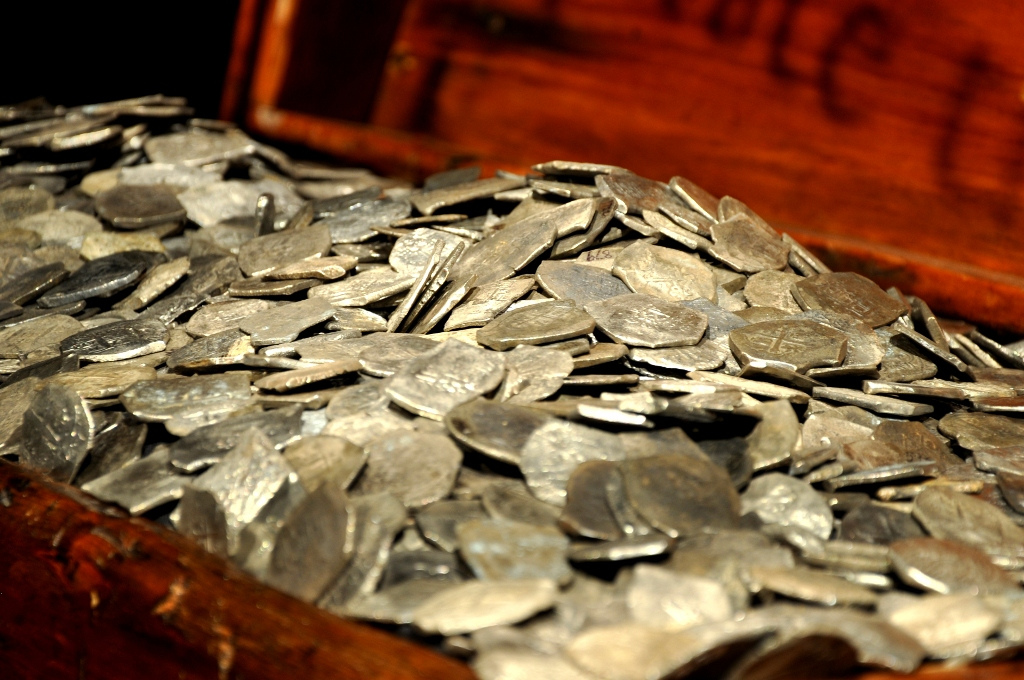
On September 30, a shipwreck salvage company made an announcement that every treasure hunter dreams about: the recovery of precious metals from a centuries old shipwreck. The silver and gold fruits of its labor came from a Spanish fleet off the coast of Florida, which sank during a hurricane in 1715 in the process of “transporting New World riches back to Spain.” The company hailed the recovery as not only a monetary windfall but a priceless historical retrieval.
- $400 million. The estimated value of the gold, silver, and jewels on the Spanish fleet that sank in 1715.
- 1,000. The approximate number of silver coins recovered from the wreckage site.
- 5. The number of gold coins recovered from the wreckage site.
- 113,287. The number of days between July 31, 1715, when the fleet sank, and September 30, 2025, when the recovery of the gold and silver was announced.
Ask the readers.
Last week, Greg asked readers if they think Tangle’s opinion polls are worth following.
This week’s reader question comes from Joseph, who asks:
You can let us know your thoughts by replying through this form.
Want even more Tangle? Follow us on our X, Facebook, or Instagram for up-to-the-minute updates.


Member comments