
By Michael Tyler
Amidst the current brouhaha of the changing world order, the nations of the world — or at least the ones far enough from the equator to get snow and ice — are gathering in Northern Italy to compete for winter glory. This year’s Winter Olympics feature many wonderful sports and competitions, perhaps none more exciting than the men’s ice hockey tournament. For the first time since 2014, (non-Russian) National Hockey League (NHL) players will finally make their return to compete for the sport’s most sought-after gold medal.
If, like me, you’re looking for a distraction from humanity’s Second Cold War circling the drain of becoming its Third World War, look no further than the International Ice Hockey Federation’s ten-day extravaganza. Though my hometown Colorado Avalanche have delivered to me three Stanley Cups in my lifetime, Team USA has left me only with a Disney movie and a couple of silver medal losses. And in these uncertain times, couldn’t we all use a good reason to be proud to be an American? This Olympic tournament is surely hockey’s most anticipated best-on-best competition in a generation, despite the Russian Federation’s exclusion for acting too much like an imperial power.
The tournament was previewed last year in the NHL-sponsored Four Nations Faceoff, which replaced the league’s usual All-Star game with exhibitions between international powerhouses the United States, Canada, Sweden, and Finland. In contrast to the game it was replacing, Four Nations was no breezy affair; players from the United States and Canada dropped the gloves and brawled like one of their daddies told the other that he was going to make their country the 51st state.
In the last year, geopolitical tensions between the North American neighbors have cooled…and been brought right back to the boiling point, just in time for the world’s most talented hockey players to don their national colors and compete for international glory. Unlike last year’s All-Star Game substitution, International Ice Hockey Federation (IIHF) rules don’t allow for fighting, so one of the major storylines will surely be if the Americans give a flying puck about international norms.
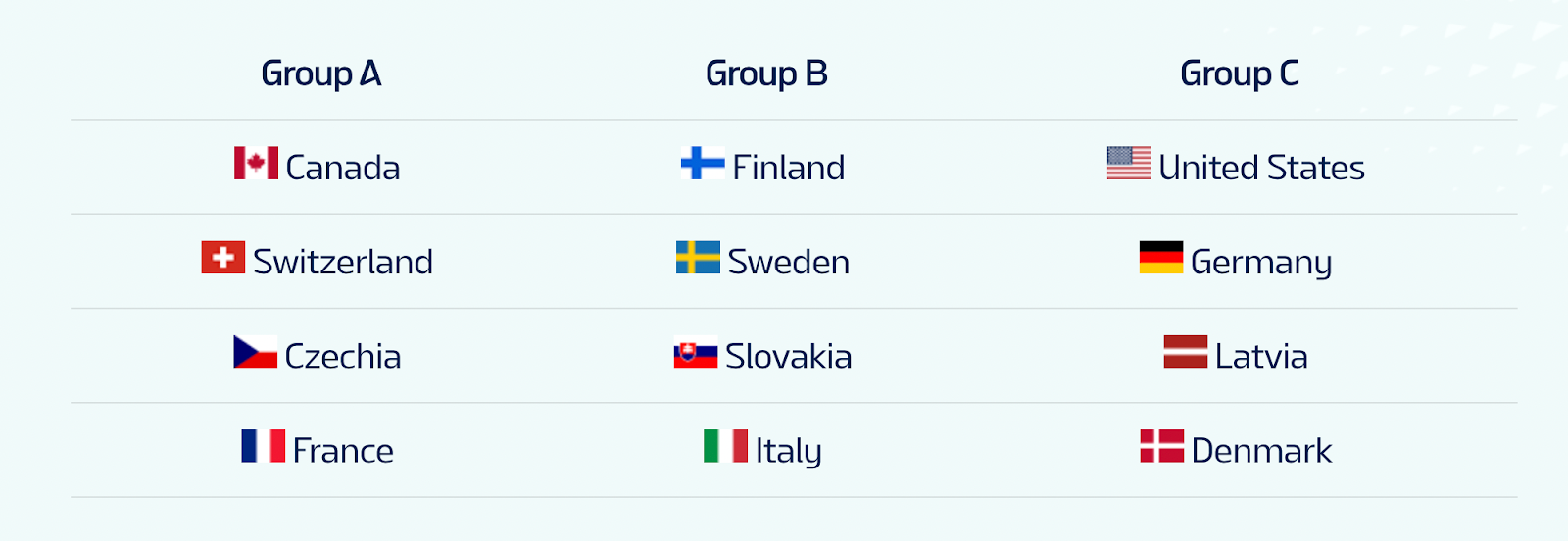
The Olympic tournament features twelve nations in three groups, including the host Italians, who have chosen to get pummeled with pride sans any import players. Italy is the only nation in the tournament that is projected to have zero NHL players on its roster.
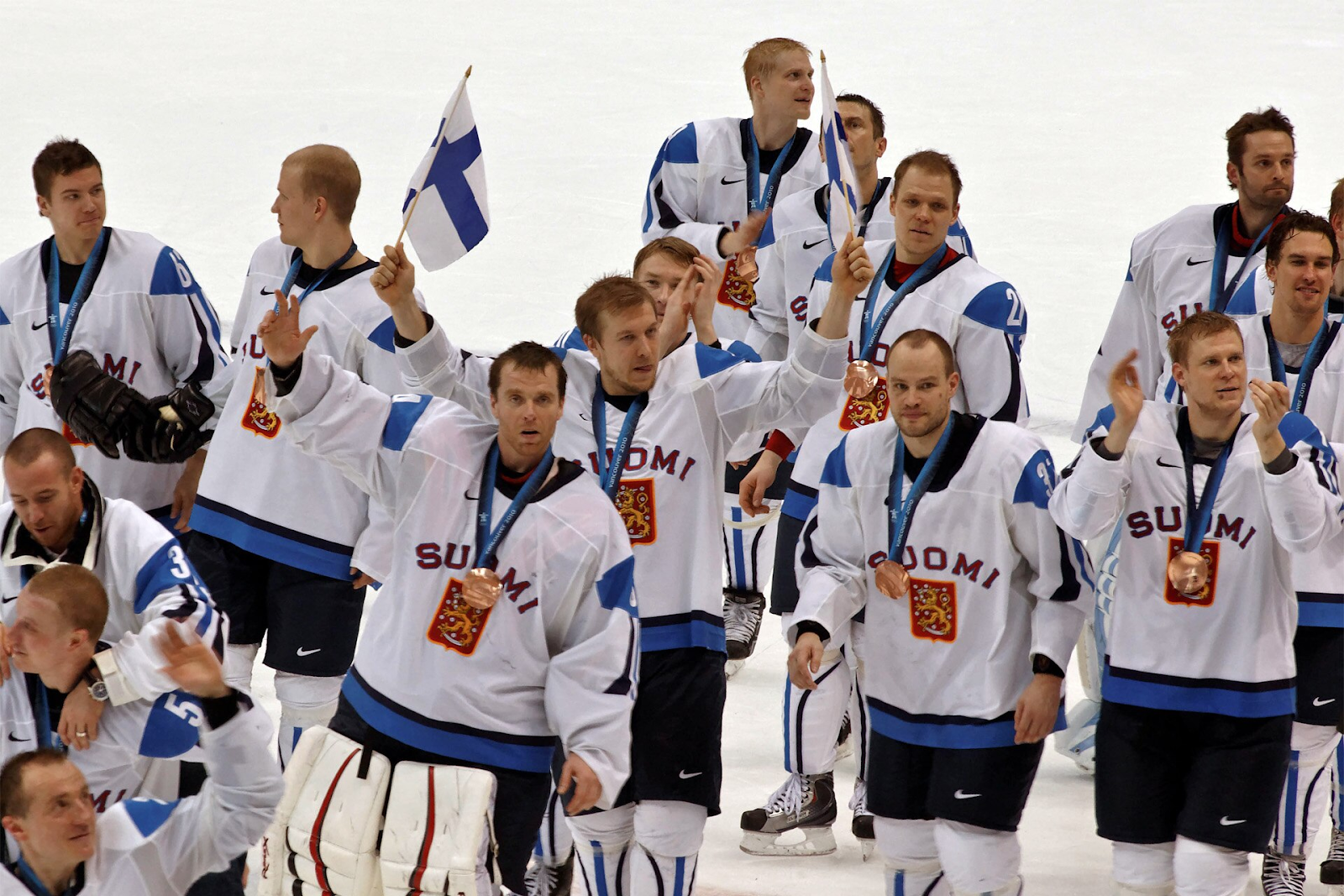
Italy is likely to bring up the rear in Group B behind Slovakia, Finland and Sweden. While the Slovaks hope young Juraj Slafkovsky can lead them to play spoiler, the Group is expected to be decided between two of the aforementioned Four Nations: Finland and Sweden. While the premier rivalry of this tournament is certainly North American, Finland’s Mikko Rantanen looks to complete his shocking heel turn and remind everyone that the Suomi are not, in fact, Scandinavian and can, in fact, defeat their friendly border rival Sweden atop Group B.
The Swedes defeated the Finns in 2006 to bring home gold the last time this tournament was played in Italy, but with injuries to Jonas Brodin, Victor Hedman, and Rantanen’s former adopted older brother Gabe Landeskog, once again claiming Italian gold will be an uphill battle even if they do edge out their Nordic neighbors at the top of the Group.
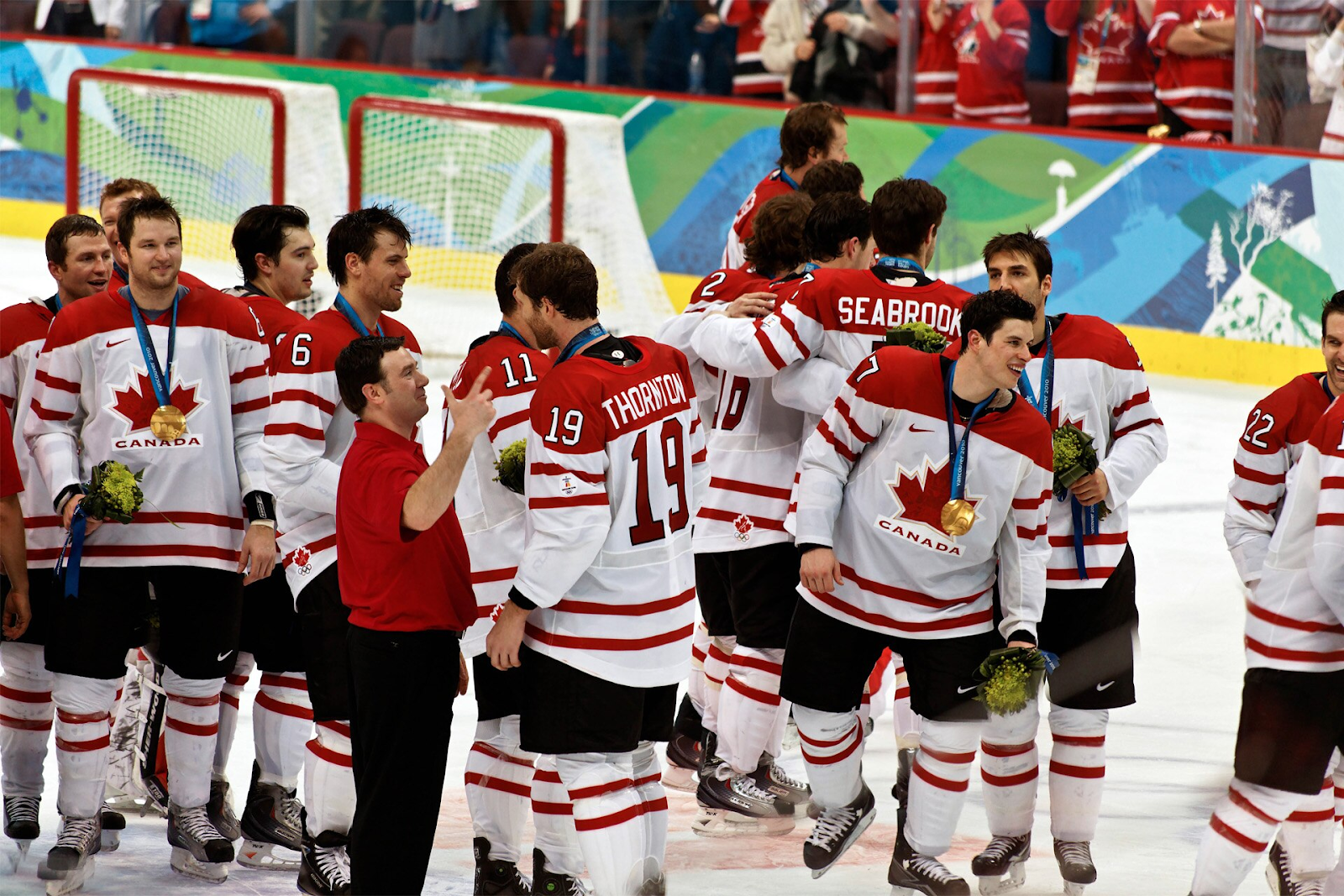
In Group A, France promises to be the recipient of frozen curb stomps, most notably from ice hockey’s global hegemon Team Canada. The up and coming Czech team, featuring lethal forwards such as David Pastrnak, Martin Necas and Tomas Hertl, should also get a turn embarrassing France, but only after they try to undermine hockey’s world order and play David to Canada’s Goliath.
Pesky Switzerland, with two-way stud Nico Hischier and veteran Roman Josi, are always a threat for an upset or two, so don’t expect the Swiss to remain neutral in Milan.
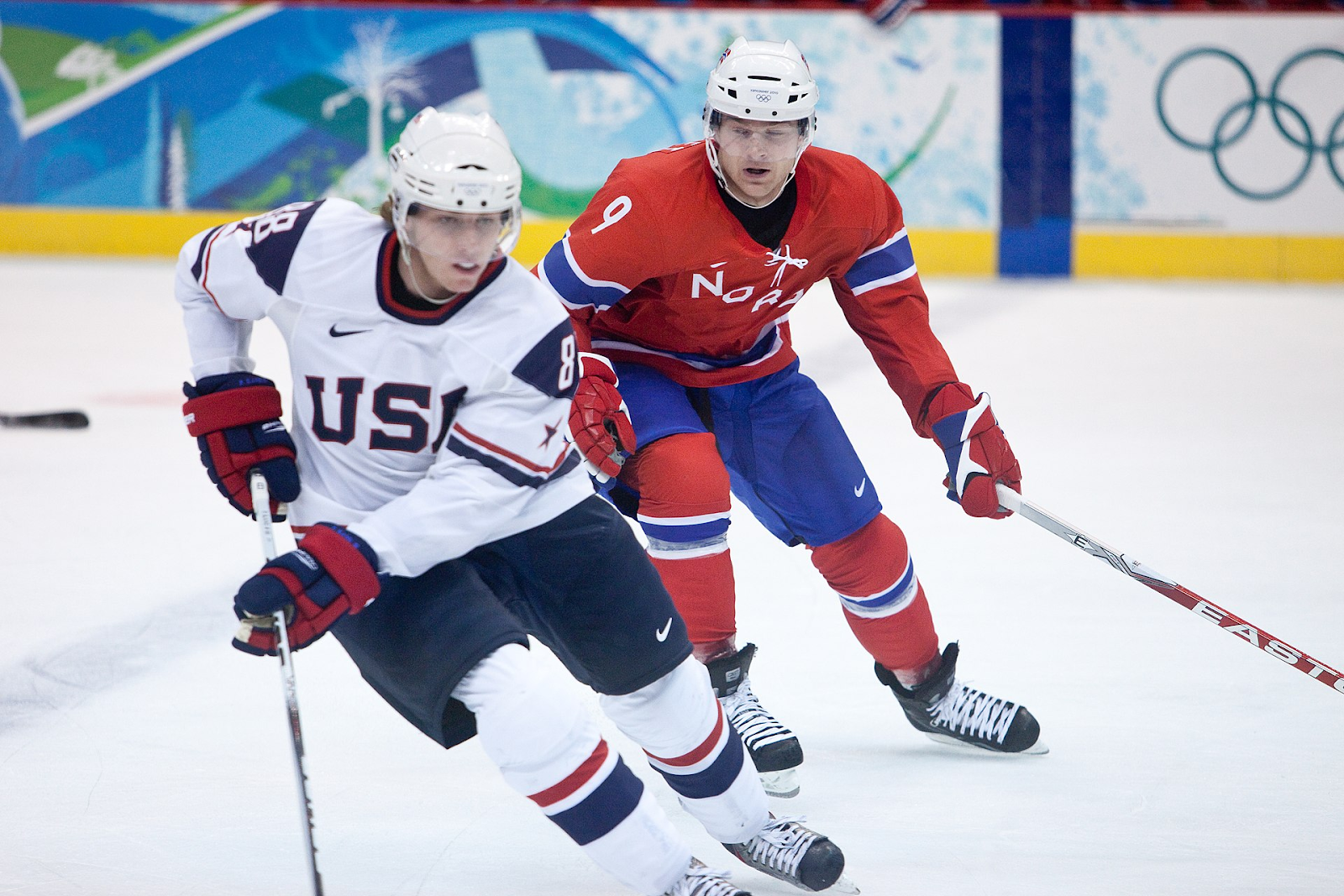
Which brings us to Group C, otherwise known as hockey NATO, where the United States stands to impose its will on Germany, Latvia, and Greenland’s current owner Denmark.
With a pair of NHL goalkeepers in Fredrick Andersen and Mads Sogaard, the Danes have a chance to to maintain national pride, but the Germans boast two genuine superstars in Leon Draisaitl and Detroit Red Wings’ big but nimble oaf Moritz Seider. The Latvian roster is backstopped by standout goalie Elvis Merzjlikins, giving the Baltic state a strong chance of repeating its history of coming up with ridiculous goaltending performances forcing the major powers to fire off their advanced weapon systems deep into overtime and the shootout.
All twelve teams will advance to the knockout round, with the Group winners gaining first-round byes along with the top second-place nation. While Group B’s winner and the wild card are risky bets, the hockey world would be shocked if the U.S. and Canada didn’t secure their respective spots atop their groups.
The earliest the North American rivals can meet is the semifinals and all eyes will be on the potential matchup of Team USA vs. Team Canada. It is rare that self-selected world police America finds itself the underdog, but if the Stars and Stripes face off against the Maple Leaf, underdogs are what they shall be.
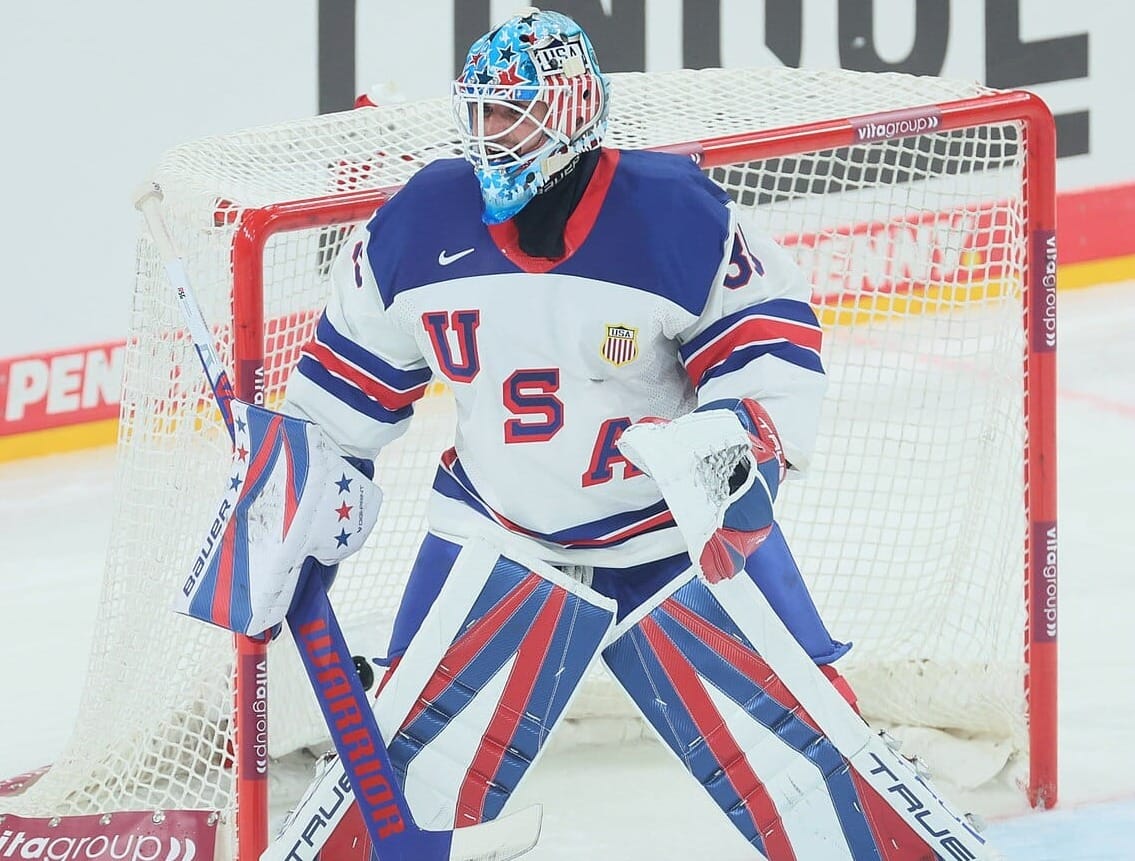
After a lackluster performance at Four Nations, the American goal-scoring machine Auston Matthews has been stripped of the national captaincy in favor of veteran JT Miller. But the real life Bash Brothers Matthew and Brady Tkatchuk are the heart and soul of the American team, leading a roster studded by stars like Jack Eichel, Quinn Hughes and Connor Hellebuyck in pursuit of Olympic gold for the first time since the 1980 Miracle on Ice.
Though veteran superstar Sidney Crosby wears the ‘C’ for the Canadians, the weight of the hockey world falls on Stanley Cup-less “hockey Jesus” Connor McDavid. While McDavid’s status as the best player in hockey is rarely questioned, the Four Nations championship is about all he has to show for it as he has yet to return the Edmonton Oilers to their Gretzky-era glory. He’s surrounded by the talents of Crosby (the sport’s most legendary active player), Nathan MacKinnon (McDavid’s rival for top player status), Cale Makar (arguably the game’s best defenseman) and Jordan Binnington (undeniably the game’s craziest goaltender), who all have their names etched on Lord Stanley’s Cup.
No matter how the tournament turns, these two weeks in February will define the legacies of a generation of hockey stars, despite the fact that the sport’s recently crowned all-time greatest goal scorer Alexander Ovechkin and his Russian brethren will be eating borscht far from the front lines of both Italy and Ukraine.
Even if hockey isn’t your thing, you should check out the international intrigue that comes anytime major nations proxy their angst in the sporting world. Sparks and snow are sure to fly all week in Milan and Cortina, from the first puck drop on Wednesday, February 11, to the Gold Medal game on Sunday, February 22. Can Canada reassert its dominance? Will the United States successfully annex it away? Can any other nation displace Sweden and Finland in the semis? Will Italy score a goal?
You’ll have to watch to find out.
Michael Tyler is a New York-based writer, entrepreneur, and Tangle OG. You can check out his speculative fiction and musings on his Substack: I Don’t Know: An Agnotic’s Adventure in Subjective Reality.

Member comments