This is the Tangle Sunday Edition, a brief roundup of our independent politics coverage plus some extra features for your Sunday morning reading.
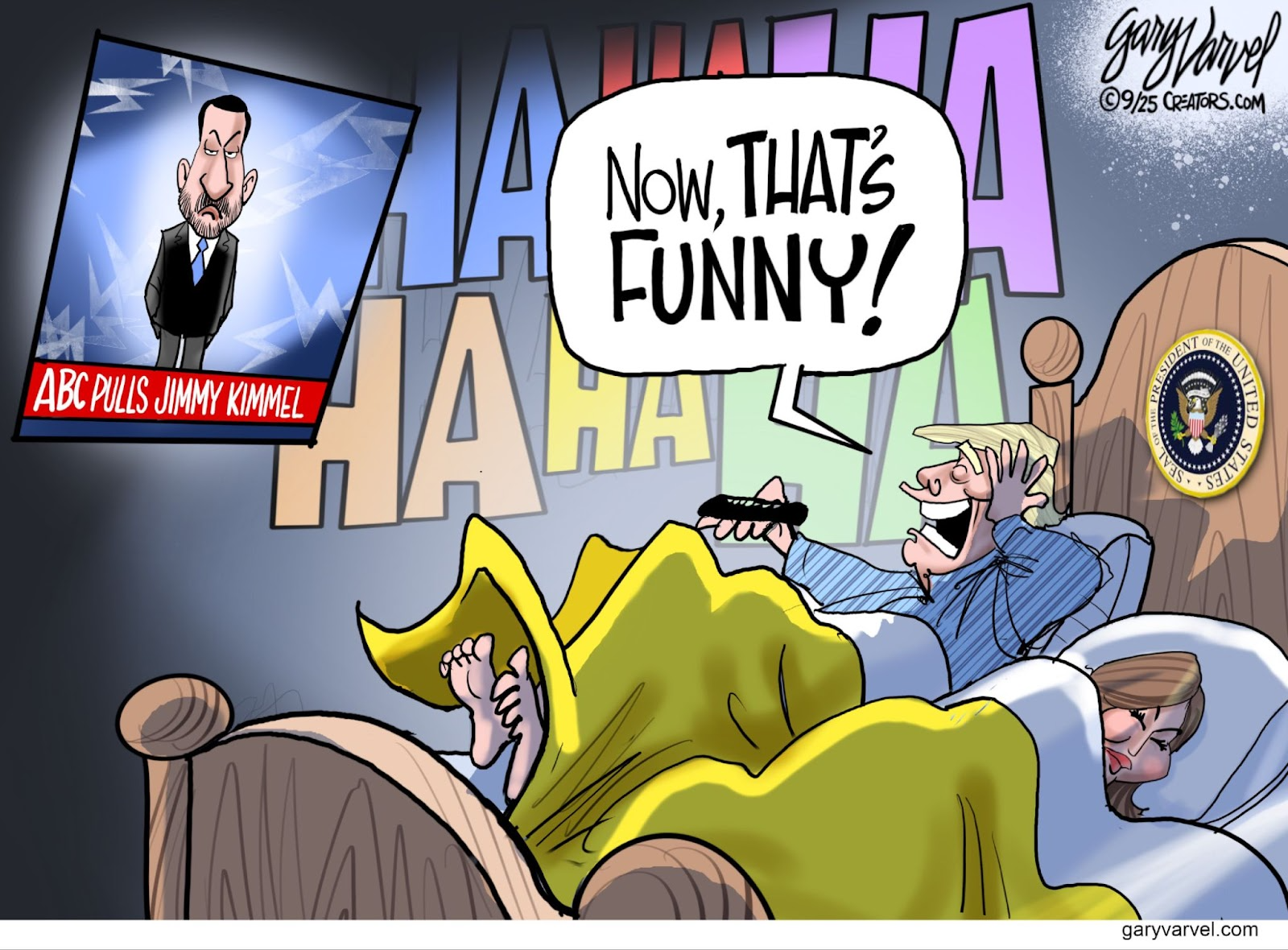
What the right is doodling.
Gary Varvel | Creators Syndicate
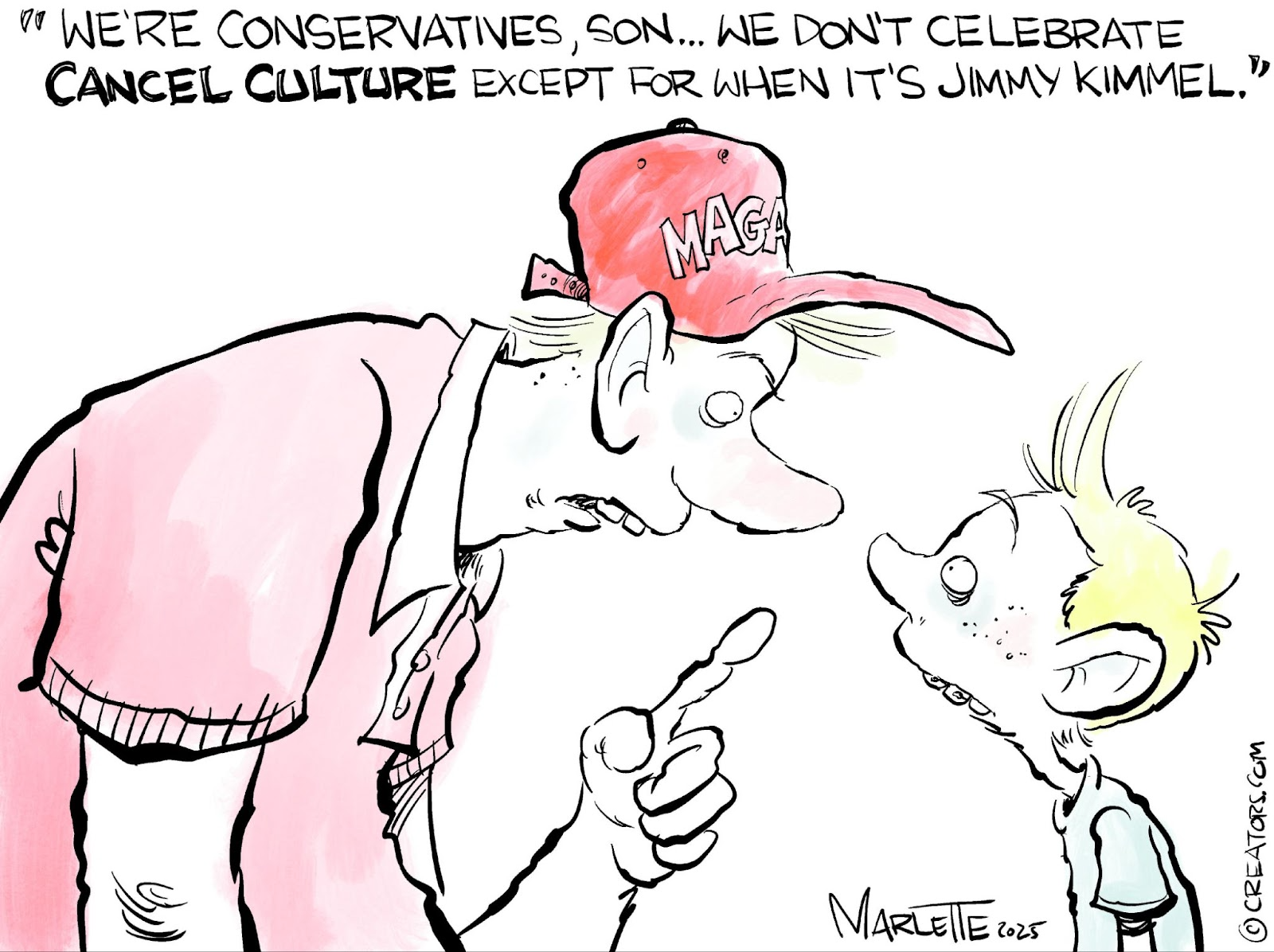
What the left is doodling.
Andy Marlette | Creators Syndicate
Monday, September 15.
The investigation into Charlie Kirk’s assassination. On Friday, September 12, authorities said they had arrested a man suspected of killing Charlie Kirk, the conservative commentator and activist who was shot during an event at Utah Valley University on Wednesday, September 10. Over the weekend, state and federal officials released new information about the suspected shooter that points to several potential motivations behind the attack. Meanwhile, Kirk’s death has prompted a range of responses from both sides of the political spectrum, including debates over his legacy and the reactions to his assassination.
Our take:“We still don’t know much about Kirk’s alleged shooter. One thing I do know is that the rush to blame entire ideologies for this event is making things worse. The imminent threat, if there is one, is that far too many elected Republicans are responding to this by demanding a crackdown on the left.”
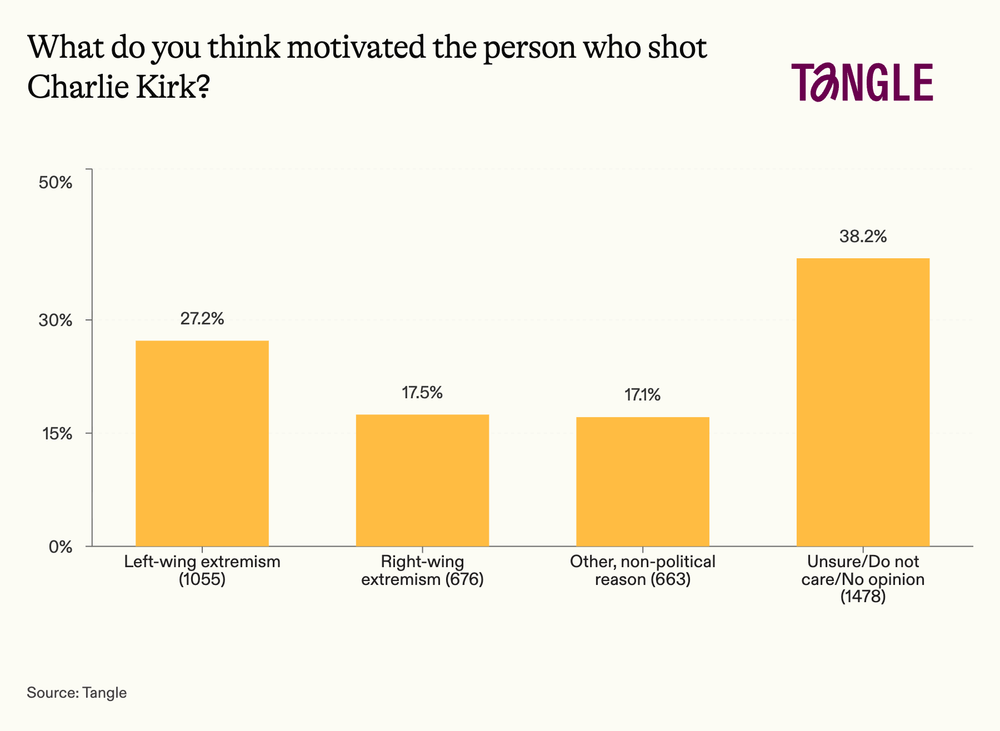
Reader Survey:
Tuesday, September 16.
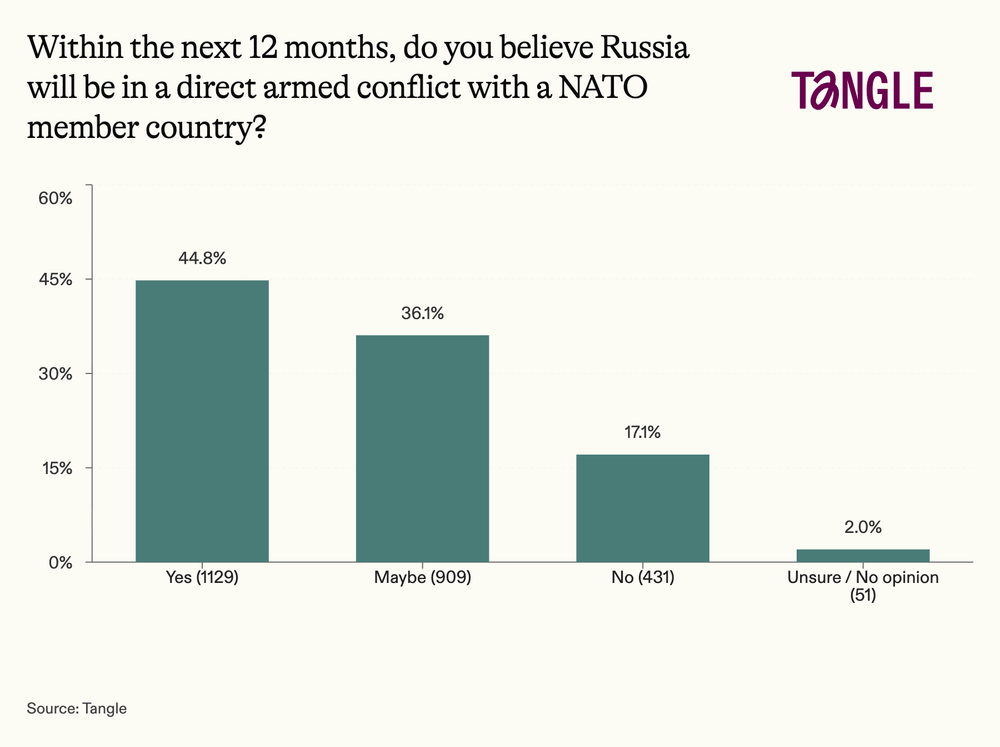
Mounting tensions between Russia and NATO. On Saturday, September 13, Romania said that it had detected a Russian drone in its airspace during an air patrol mission. The Romanian military authorized its pilots to shoot down the drone, but they declined to do so due to potential “collateral risks.” The incident marks the second Russian incursion into a North Atlantic Treaty Organization (NATO) country’s airspace this month; on Wednesday, September 10, NATO warplanes shot down several Russian drones over Poland, prompting Poland to invoke Article 4 of the North Atlantic Treaty. Russia has claimed that the violations were unintentional, but many European leaders have said the incidents have increased the chances of open conflict with Russia.
Our take:“For all the concerns about the U.S. starting World War III, the only person likely to try is Vladimir Putin. These incursions into NATO territory are just the next test of whether the alliance will stand up to Putin’s power grabs. Now is the time for NATO to make a strong, unified stance against Russian incursions.”
Reader Survey:
Wednesday, September 17.
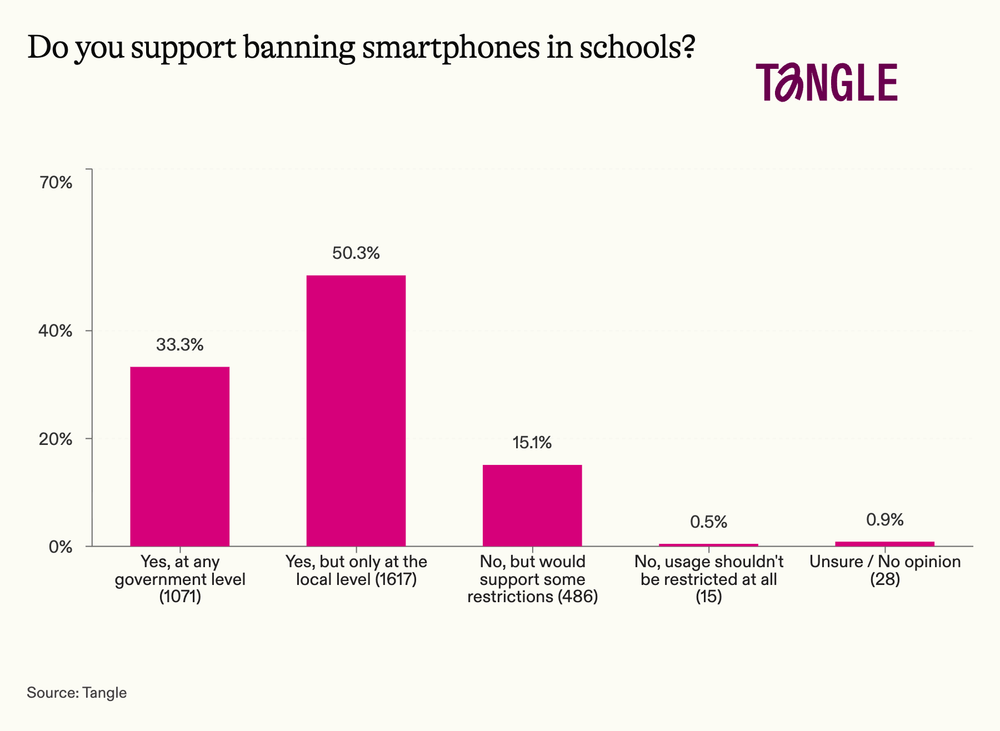
Banning phones in schools. As the academic year gets underway, a growing number of U.S. states have enacted laws banning or restricting cell phone use in schools. 17 states and Washington, D.C. implemented new rules this year, joining several other states with existing restrictions. Scores of school districts and individual schools have also enacted their own policies. These laws range from incentives for schools to curtail phone use to prohibitions only in classrooms to outright bans for the entire school day, with different rules for different age groups.
Our take:“The stories about smartphones’ harms on socialization and teaching alone make me supportive of school phone bans. Research is mixed and I’m generally against blanket bans, but this position feels overwhelmingly like common sense. Giving students the ability to shape the policy in their schools seems like the best way to introduce bans.”
Reader Survey:
Thursday, September 18.
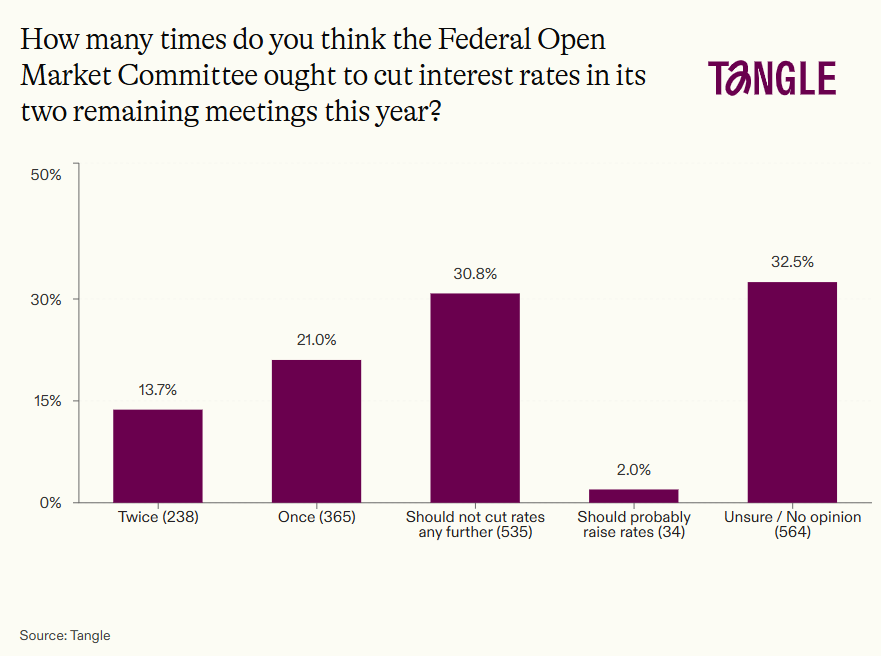
The Fed’s interest rate cut. On Wednesday, September 17, the Federal Reserve’s Federal Open Market Committee (FOMC) voted 11–1 to cut interest rates by 0.25% to 4%–4.25%, their first rate cut in nine months. The central bank’s policymakers cited the weakening labor market as the basis for the cut but noted that they are still concerned about potential inflation. However, the committee signaled that they are likely to approve two more rate cuts this year.
Our take: “The Fed’s recent rate cut validates mainstream punditry. Another mainstream position is that the Fed’s autonomy is being threatened — and the mainstream is probably right. An independent Fed is crucial for our economic health, but Trump doesn’t seem to care.”
Reader Survey:
Friday, September 19.
Last week, our coverage of the assassination of Charlie Kirk drew a mix of harsh criticism and high praise, and our edition from the day after the shooting has more comments than any article in Tangle history. In this week’s Friday edition, we published a lot of those responses (and responded to a few of them. You can read the feedback here.
What just happened.
Here are a few stories that have broken since our last newsletter on Thursday.
On Thursday, President Donald Trump and UK Prime Minister Keir Starmer signed a joint memorandum of understanding, named the Technology Prosperity Deal, that authorizes $350 billion in investments in technology sectors, including artificial intelligence. (The deal)
On Thursday, President Trump suggested that news networks that are overly critical of him and his administration should have their broadcast license revoked. (The comments)
On Thursday, the Senate voted 51–47 to confirm 48 of President Trump’s nominees for sub-Cabinet positions and ambassadors. The confirmations followed Senate Republicans’ vote to overturn previous rules that required at least 60 votes to approve nominees in batches. (The vote)
On Thursday, a federal judge temporarily barred the Trump administration from quickly deporting hundreds of Guatemalan children and criticized the administration’s explanation for the attempted action. (The decision)
On Friday, the Trump administration invoked its golden share in U.S. Steel to block its new owner, Nippon Steel, from shutting down a plant in Illinois. (The block)
On Friday, a federal judge dismissed President Trump’s defamation lawsuit against The New York Times, finding that the complaint was “improper and impermissible” in its current form. The judge gave the president’s lawyers 28 days to file an amended complaint. (The ruling)
On Friday, the Senate voted down separate Republican and Democratic proposals for a short-term government funding bill. The government is set to shut down on October 1 if a funding agreement is not reached. (The votes)
On Friday, Erik Siebert, the U.S. attorney for the Eastern District of Virginia, resigned shortly after President Trump called for his firing. Siebert was investigating New York Attorney General Letitia James and former Federal Bureau of Investigation Director James Comey, and he had indicated that there were no grounds to bring charges against either person. (The resignation)
On Saturday, MSNBC reported that White House border czar Tom Homan had accepted a $50,000 cash bribe from undercover FBI agents. FBI Director Kash Patel said the investigation was closed and showed “no credible evidence of criminal wrongdoing.” (The report)
This post is for paying subscribers only
Sign up now and upgrade your account to read the post and get access to the full library of posts for paying subscribers only.